• Home
  • Popular Topics
    • Papillons
    • Alaskan Klee Kai
    • Hiking with Dogs
    • Dog DIY
    • Recipes
    • Dog Product Reviews
    • Can Dogs Eat…
    • Dog Health
  • The Paw Pack
    • Kitsune (2008 – 2024)
    • Fenrir
  • Policies
    • Disclaimer
    • Privacy Policy
    • Work with Us
    • Site Map
  • Contact

Paw Print

    Dog Health

    Dog Food Ingredients 101: Zinc Proteinate

    April 30, 2023

    #AtoZChallenge 2023 letter Z We did it!  Today is the last day of the April Blogging from A to Z Challenge!  Who guessed that the “Z” dog food ingredient would be related to zinc?  I hope that some of my posts over the last month have helped people to learn more about some of the ingredients used to make dog food.  It’s so important to actually know what we’re feeding our furry best friends!

    This post is part of our 2023 April blogging from A to Z Challenge!  Join us this month as we go through the alphabet, A to Z, learning more about some of the ingredients that are commonly (or not so commonly, in some cases) found in our dog’s food!

    Post Contents:

    • 1 What is Zinc Proteinate?
    • 2 Why is Zinc Proteinate Added to Dog Food?
    • 3 Cons of Feeding Zinc Proteinate to Dogs:
    • 4 Benefits of Zinc Proteinate for Dogs:
    • 5 So What’s the Verdict on Zinc Proteinate?  Is it Safe as a Dog Food Ingredient?

    What is Zinc Proteinate?

    Zinc proteinate is created by the chelation of zinc with amino acids and/or proteins.  Chelation is a type of bond between ions and molecules to metal ions.  Basically, inorganic metals are bonded to organic amino acids or proteins because it makes them easier for animals’ bodies to process and utilize.

    Zinc proteinate is commonly used as a zinc source in animal feed.
    dog food Zinc proteinateWhy is Zinc Proteinate Added to Dog Food?

    Like in other types of animal feed, zinc proteinate is added to dog food as a supplemental source of zinc.

    Cons of Feeding Zinc Proteinate to Dogs:

    Zinc toxicity can cause death in dogs.  Signs of zinc toxicity include GI upset, jaundice, lethargy, panting, anemia, weakness, pale gums, and an increased heart rate.  However, zinc toxicity is not caused by the small amounts of zinc that are added into dog foods.  It most commonly occurs when dogs ingest things they shouldn’t, such as metallic objects including zippers, jewelry, nails, and pennies made after 1982.  Zinc containing ointments and sunscreen also contain zinc.  Dogs can also develop zinc poisoning after ingesting human vitamins or zinc supplements.

    Benefits of Zinc Proteinate for Dogs:

    Animals, dogs included, require a small amount of  zinc.  Dogs’ bodies cannot produce zinc, and don’t store much of  it either.  It must be obtained from the food they eat.  The Association of American Feed Control Officials (AAFCO) recommend that dogs get 120 mg of zinc per kg of dry food.

    Zinc is important for the production of DNA, growth, a healthy coat and skin, eyesight, cognitive function, the creation of hormones, wound healing, and the immune system.

    Zinc proteinate is used instead of other forms of supplemental zinc because it is easier for animals’ bodies to absorb.

    So What’s the Verdict on Zinc Proteinate?  Is it Safe as a Dog Food Ingredient?

    Zinc proteinate is more expensive than other forms of supplemental zinc, but it is more bioavailable than other forms.  Dogs’ bodies require small amounts of zinc to function properly.  Zinc deficiency in dogs causes symptoms such as a weakened immune system, frequent infections, slow wound healing, itching, skin and coat issues, stunted growth, and sores on the paws, lips, eyes, ears, and mouth.

    Since dogs’ bodies can’t produce zinc, and are inefficient at storing it, it must be obtained from their diet.  Zinc toxicity can be a serious issue but occurs most commonly when dogs eat metal objects such as pennies, and not from zinc, such as zinc proteinate, included as an ingredient in dog foods.

    Comment below!  Have you noticed zinc proteinate, or another form of zinc, as in ingredient in your dog’s food?

    This is our last post for the April Blogging from A to Z Challenge!  Thank you so much to anyone who has stopped by to check out some of our challenge posts!  It’s going to feed weird stepping away from blogging (almost) everyday, but I’ve decided, for now, to go back to a once a week schedule.  If you’re interested in seeing Kit and Fen even more often, make sure to check us out on social media!  We post most often on Facebook, as well as Kit’s and Fen’s Instagram pages.  We’re also planning on posting over on our Youtube channel more often, so be sure to follow us there as well!  Thanks!  
    Zinc proteinate dog food

    We’ve, unfortunately, been dealing with content scrapers stealing our articles lately. You shouldn’t be seeing this article on any site other than pawprintpetblog.com! If you’re reading this article on any other site, we’d love for you to take the time to contact us and let us know and, if you have the time, stop by and visit us on our official site! Thanks you.

    Dog Health

    Dog Food Ingredients 101: Yeast Extract

    April 29, 2023

    #AtoZChallenge 2023 letter Y Y is for Yeast extract!  We’re in the home stretch of this year’s April blogging from A to Z Challenge.  Just one more day to go after today.  Did April go as quickly for everyone else as it did for me!?  I hope some of you have learned at least a little something from this month’s posts.  I think it’s so important to know what is actually in the foods we’re feeding our dogs.  And hey, some of the ingredients I wrote about this month are used in human foods as well!

    This post is part of our 2023 April blogging from A to Z Challenge!  Join us this month as we go through the alphabet, A to Z, learning more about some of the ingredients that are commonly (or not so commonly, in some cases) found in our dog’s food!

    Post Contents:

    • 1 What is Yeast Extract?
    • 2 Why is Yeast Extract Added to Dog Food?
    • 3 Cons of Feeding Yeast Extract to Dogs:
    • 4 Benefits of Yeast Extract for Dogs:
    • 5 So What’s the Verdict on Yeast Extract?  Is it Safe as a Dog Food Ingredient?

    What is Yeast Extract?

    Many people probably already have a good understanding of what yeast is.  Yeasts are single-celled fungi that have many commercial uses such as the brewing of beer, wine making, and baking.  To make yeast extract, the cell walls are removed from the yeast cells.  One way this is done is by heating the yeast cells until they rupture, then using digestive enzymes to break down the yeast proteins.  The cell walls of the yeast can then be filtered out.  Yeast extract can come in liquid, powder, or paste form.

    Why is Yeast Extract Added to Dog Food?

    Yeast extracts are used as a flavoring in some dog foods.  It is used the same way in human foods too.  Yeast extract is explained as having umami, or a savory flavor that, for humans, can be used in foods such as canned soups, and salty foods.  Marmite is basically yeast extract, if anyone is curious about the flavor.

    dog food yeast extractCons of Feeding Yeast Extract to Dogs:

    Dogs should not be fed active yeast, such as yeast used for cooking or in raw dough.  It can ferment in their stomachs and lead to serious health issues.  Yeast extract found in dog food, however, is processed and cooked which basically kills the yeast.  In the same way that raw dough is dangerous for dogs but small amounts of cooked bread is ok, the yeast extract used in dog food is safe for dogs to consume.

    Some dogs can be allergic to yeast.

    Benefits of Yeast Extract for Dogs:

    Since it’s used mainly as a flavor enhancer, yeast extract isn’t usually added to dog foods to boost their nutritional profile.  However, yeast extract is high in B vitamins including B12, B2, B9, B1, and B3.  The amount of yeast extract added to dog food will likely not be enough to be a major source of these vitamins, however.

    So What’s the Verdict on Yeast Extract?  Is it Safe as a Dog Food Ingredient?

    As long as your dog doesn’t suffer from yeast allergies, yeast extract is a pretty neutral dog food ingredients.  Because yeast extract is processed, it doesn’t present the same dangers to dogs that yeast itself does.  It may help make your dog’s food more palatable, and is high in B vitamins.  However, the small amount of yeast extract added to dog food isn’t likely to be any major source of nutrients for our dogs.

    Comment below!  Did you know that yeast extract can be used to flavor dog food?  Does your dog’s food contain yeast extract?

    yeast extract dog food

    We’ve, unfortunately, been dealing with content scrapers stealing our articles lately. You shouldn’t be seeing this article on any site other than pawprintpetblog.com! If you’re reading this article on any other site, we’d love for you to take the time to contact us and let us know and, if you have the time, stop by and visit us on our official site! Thanks you.
    Dog Health

    Dog Food Ingredients 101: Xanthan Gum

    April 28, 2023

    #AtoZChallenge 2023 letter X I’m so close to being done with this year’s April blogging from A to Z challenge!  I have to admit it’s been kind of a relief that finding dog food ingredients that start with what are usually some of the more challenging letters, like X, hasn’t been so hard.

    This post is part of our 2023 April blogging from A to Z Challenge!  Join us this month as we go through the alphabet, A to Z, learning more about some of the ingredients that are commonly (or not so commonly, in some cases) found in our dog’s food!

    Post Contents:

    • 1 What is Xanthan Gum?
    • 2 Why is Xanthan gum Added to Dog Food?
    • 3 Cons of Feeding Xanthan Gum to Dogs:
    • 4 Benefits of Xanthan Gum for Dogs:
    • 5 So What’s the Verdict on Xanthan Gum?  Is it Safe as a Dog Food Ingredient?

    What is Xanthan Gum?

    Xanthan gum is created by fermenting the bacteria Xanthomonas campestris.  This process creates a sticky, gummy substance that is then pasteurized, filtered, and dried.  The final product is a white powder that is relatively neutral in smell and taste.

    dog food Xanthan gumWhy is Xanthan gum Added to Dog Food?

    Xanthan gum is commonly found in wet or canned dog foods.  It is a thickening agent that is used to maintain the texture of wet dog foods.

    Cons of Feeding Xanthan Gum to Dogs:

    In large doses, xanthan gum can cause GI upset in dogs.  However, it is usually used in dog foods in small amounts.  Some concerned owners point out that feeding xanthan gum hasn’t been heavily tested in dogs.  However, it is an ingredient in quite a few commercial dog foods and doesn’t seem to cause any ill effects.

    Xanthan gum is sometimes confused with xylitol, which is deadly for dogs.

    Benefits of Xanthan Gum for Dogs:

    Xanthan gum is added to dog food in very small amounts.  It’s thought that it does contain some dietary fiber.  It may have additional benefits such as helping to control blood sugar.  However, any benefits potentially gained from consuming xanthan gum in dog food would likely be minimal thanks to the small amounts of the product that are used.  Xanthan gum is used strictly as a thickening agent.

    So What’s the Verdict on Xanthan Gum?  Is it Safe as a Dog Food Ingredient?

    Xanthan gum, especially in the small amounts it is present in dog foods, seems to be dog safe.  Dogs would likely never be exposed to the amounts of xanthan gum that it would take to induce negative symptoms such as GI upset.  Xanthan gum is a pretty neutral dog food ingredient.  It doesn’t do any harm, but doesn’t add a lot to dog foods either.  Its use as a thickening agent is more to make dog food look more appealing to humans than it is for the dogs.  As I’m sure many dog owners can attest, most dogs don’t care too much about how their food looks.

    Comment below!  Have you ever noticed xanthan gum as an ingredient in your dog’s food?

    xanthan gum dog food

    We’ve, unfortunately, been dealing with content scrapers stealing our articles lately. You shouldn’t be seeing this article on any site other than pawprintpetblog.com! If you’re reading this article on any other site, we’d love for you to take the time to contact us and let us know and, if you have the time, stop by and visit us on our official site! Thanks you.

    Dog Health

    Dog Food Ingredients 101: Whole Grain Wheat

    April 27, 2023

    #AtoZChallenge 2023 letter W My brain is about done with the April A to Z Challenge this year.  While I was looking for a dog food ingredient that started with “W” for today, I can across whole grain wheat.  Perfect!  I found it funny how long it took me to realize that wheat starts with “W”.  I picked it for the W in “whole”.  I could have just written about wheat!  But what the heck, whole grain wheat it is!

    This post is part of our 2023 April blogging from A to Z Challenge!  Join us this month as we go through the alphabet, A to Z, learning more about some of the ingredients that are commonly (or not so commonly, in some cases) found in our dog’s food!

    Post Contents:

    • 1 What is Whole Grain Wheat?
    • 2 Why is Whole Grain Wheat Added to Dog Food?
    • 3 Cons of Feeding Whole Grain Wheat to Dogs:
    • 4 Benefits of Whole Grain Wheat for Dogs:
    • 5 So What’s the Verdict on whole grain wheat?  Is it Safe as a Dog Food Ingredient?

    What is Whole Grain Wheat?

    Wheat is a type of grass that’s been cultivated for consumption.  It’s the seed of the wheat plant that is harvested and both consumed by people as well as used for animal feed.  If wheat is listed as being whole grain, it means the endosperm, germ, and bran of the seed are all being utilized.  If the grain is refined, only the endosperm is being used.

    • Endosperm: Tissue inside the seed that surrounds the plant embryo(germ).  It is made up mostly of starch, but can also contain proteins and oils.  White flour is usually made from this part of a seed.
    • Bran: The fibrous outer layer of a wheat seed.  Bran contains high levels of fiber as well as essential fatty acids, starch, protein, vitamins, and minerals.
    • Germ: The germ of a seed is the part that can develop into a plant.  It contains nutrients, fats, vitamins, and antioxidants.

    dog food whole grain wheat

    Why is Whole Grain Wheat Added to Dog Food?

    Grains such as wheat are normally added to dog food as fillers.  Although they can provide some vitamins, minerals, and other nutrients, they are utilized mostly for their fiber content.  Eating foods high in fiber will help your dog’s GI tract function properly.  It also helps your dog feel full.

    Cons of Feeding Whole Grain Wheat to Dogs:

    Wheat, whether it’s whole grain or not, is one of the top food allergens for dogs.  Signs that your dog is suffering from a food allergy can include things like GI issues, reoccurring ear infections, swelling especially of the face, red, itchy skin, hair loss, and hives.

    Wheat is also a crop that is often heavily treated with chemicals such as pesticides.  Wheat also contains gluten, so cannot be fed to dogs with gluten intolerance.

    Benefits of Whole Grain Wheat for Dogs:

    Because it contains more of the seed, whole grain wheat has benefits over refined wheat.  Besides dietary fiber, whole grain wheat includes things like fats, fatty acids, vitamins, minerals, and antioxidants.

    So What’s the Verdict on whole grain wheat?  Is it Safe as a Dog Food Ingredient?

    Whole grain wheat is dog safe as long as your dog does not develop a wheat allergy or gluten intolerance.  Including the whole wheat grain in dog foods offers more nutrients than using refined wheat.  Organic whole grain wheat will have the added benefits of being free from chemical pesticides.

    Comment below!  Do you feed your dog a grain free or grain inclusive diet?  Does your dog’s food contain whole grain wheat?

    whole grain wheat dog food
    We’ve, unfortunately, been dealing with content scrapers stealing our articles lately. You shouldn’t be seeing this article on any site other than pawprintpetblog.com! If you’re reading this article on any other site, we’d love for you to take the time to contact us and let us know and, if you have the time, stop by and visit us on our official site! Thanks you.
    Dog Health

    Dog Food Ingredients 101: Vitamin A

    April 26, 2023

    #AtoZChallenge 2023 letter VHave you ever looked at the back of your dog’s food bag, seen the list of all the vitamin supplements added to the food, and wondered what each is for?  Selecting the right dog food for our furry best friends can sometimes be overwhelming.  I’m hoping that with some of my posts for this year’s April Blogging from A to Z Challenge, I can help take the mystery out of some of the ingredients added to dog foods.  Knowledge is power and half the battle when it comes to selecting healthy, well-balanced food for our dogs.

    This post is part of our 2023 April blogging from A to Z Challenge!  Join us this month as we go through the alphabet, A to Z, learning more about some of the ingredients that are commonly (or not so commonly, in some cases) found in our dog’s food!

    Post Contents:

    • 1 What is Vitamin A?
    • 2 Why is Vitamin A Added to Dog Food?
    • 3 Cons of Feeding Vitamin A to Dogs:
    • 4 Benefits of Vitamin A for Dogs:
    • 5 So What’s the Verdict on Vitamin A?  Is it Safe as a Dog Food Ingredient?

    What is Vitamin A?

    Vitamin A is a fat-soluble vitamin that is important for many functions within the body.  It is stored by the body in the liver.  Vitamin A, among other jobs, helps to support the growth and development of embryos, maintains the immune system, and supports healthy vision.

    dog food Vitamin AWhy is Vitamin A Added to Dog Food?

    AAFCO, The Association of American Feed Control Officials, recommend that adult dogs consume 5000 IU of Vitamin A for every kilogram of food they consume.  Although vitamin A is found naturally in foods such as egg yolks, liver, carrots, and sweet potatoes, pet food companies also commonly add supplemental vitamin A to boost the amounts in their food.

    Cons of Feeding Vitamin A to Dogs:

    The amounts of supplemental vitamin A added to dog food will be balanced and safe for your dog.  However, because vitamin A is a fat-soluble vitamin it is possible for dogs to overdose on it.  Vitamin A toxicity in dogs is rare, and usually occurs when a dog is consuming too much vitamin A over a course of time, such as multiple weeks.  Symptoms of vitamin A toxicity can include lethargy, nausea, weakness, anorexia, tremors, convulsions, paralysis, and sometimes death.

    Thankfully, you don’t have to worry about vitamin A toxicity if you’re feeding your dog a well balanced commercial diet.  It rarely occurs in dogs consuming unbalanced raw diets (vitamin A is found in liver, and in especially high levels in bear liver) and large amounts of fish oil.

    Benefits of Vitamin A for Dogs:

    Dog’s bodies require vitamin A to function properly.  It’s especially important for pregnant females, as it plays a key role in embryo development.  In young puppies, vitamin A is important for the proper continued development of bones, muscles, skin and coat, and for the nervous system.

    Vision, especially night vision has been shown to be dependent on vitamin A.  A common sign of vitamin A deficiency is night blindness.  Vitamin A is also important for the immune system.  It is involved with the creation of white blood cells, which help the body to fight off infections.

    So What’s the Verdict on Vitamin A?  Is it Safe as a Dog Food Ingredient?

    Dogs require vitamin A as part of a healthy, well balanced diet.  Vitamin A deficiency causes, in minor occurrences, skin and fur issues.  However these issues can progress to lesions on the skin, skin and ear infections, dry eyes and other issues with mucus membranes such as within the lungs, weakness, anorexia, poor vision or night blindness.  Because vitamin A is naturally found in foods and supplemented in commercial foods, as well as stored within the liver, deficiency is rare.

    Vitamin A is a safe dog food ingredient.  Many commercial pet food companies add supplemental vitamin A into their foods to reach the daily recommended amounts.

    Comment below!  Does your dog’s food contain supplemental vitamin A?

    vitamin A dog food

    We’ve, unfortunately, been dealing with content scrapers stealing our articles lately. You shouldn’t be seeing this article on any site other than pawprintpetblog.com! If you’re reading this article on any other site, we’d love for you to take the time to contact us and let us know and, if you have the time, stop by and visit us on our official site! Thanks you.

    Dog Health

    Dog Food Ingredients 101: USDA Organic Ingredients

    April 25, 2023

    #AtoZChallenge 2023 letter U This year’s April Blogging from A to Z Challenge is winding down.  This week is the last week of the challenge!  As much as I love blogging, I have to admit that I’m starting to feel burnt out.  This time of the year is always especially busy for me.  Today I’m feeling especially unmotivated, especially thanks to the fact that I was having a hard time finding a dog food ingredient that starts with today’s letter, “U”.  So today I’m going to cut myself a bit of slack and break from the formula I’ve been using in my other challenge posts.  Today I’m going to write about what it means for dog food to be USDA certified organic.

    This post is part of our 2023 April blogging from A to Z Challenge!  Join us this month as we go through the alphabet, A to Z, learning more about some of the ingredients that are commonly (or not so commonly, in some cases) found in our dog’s food!

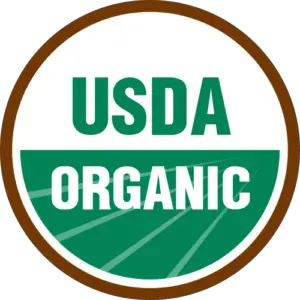
    What Does it Mean for Dog Food to Be USDA Organic?

    USDA organic dog foodHave you ever purchased food for your dog and noticed the USDA organic seal on the bag?  Maybe you bought the food for other reasons, and it just happens to be organic.  Or maybe you specifically selected it because it was certified organic.  But what does it actually mean for dog food to be certified organic?

    Interestingly, the USDA does not currently have specific standards for labeling pet foods as organic.  Instead, to be certified as USDA organic, pet foods must meet the same standards of certification that organic foods for humans are subjected to.  So if your dog’s food has the USDA organic seal, it means that it meets the same requirements set forth by the USDA for organic human foods.

    For dog food to be labeled as organic, at least 95% of the ingredients used to make it must be organic.  The pet food company creating the food must also be overseen by an authorized certifying agent,  and they cannot use prohibited methods to create their products, such as genetic engineering, synthetic pesticides and fertilizers, or antibiotics and hormones for livestock.

    USDA Organic dog food

    When it Comes to Organic, It Doesn’t Have to Be All or Nothing

    Some pet foods can contain organic ingredients without meeting the standards for the food itself to be certified as organic.  In that case, you won’t see the USDA Organic seal on the dog food bag, but the labeling might mention that the food contains organic ingredients.

    Is Organic Dog Food Better?

    There are not a ton of dog foods that have been certified USDA Organic.  If your dog’s food is not organic, but it works well for him/her, then that’s perfectly fine.  Generally, organic foods are thought to contain less potentially harmful chemicals.  However, lots of dog foods have been studied and found to be safe and fully balanced for dogs.  Organic dog foods are often priced higher than other brands, which can understandably be a concern.  At the end of the day you have to find the dog food that’s right for your dog, your budget, and your situation.  That may or may not be an organic dog food, and that’s ok.

    • USDA Labeling Guidelines for Organic Products
    • Why I Don’t Generally Recommend Specific Dog Foods
    • Selecting the Best Dog Food Based on Your Dog’s Individual Needs

    USDA Organic Dog Food

    We’ve, unfortunately, been dealing with content scrapers stealing our articles lately. You shouldn’t be seeing this article on any site other than pawprintpetblog.com! If you’re reading this article on any other site, we’d love for you to take the time to contact us and let us know and, if you have the time, stop by and visit us on our official site! Thanks you.
    Dog Health

    Dog Food Ingredients 101: Tocopherols

    April 24, 2023

    #AtoZChallenge 2023 letter T How many times have you looked at the back of a dog food bag and seen “tocopherols” or “mixed tocopherols” and had no idea what that is or why it’s in your dog’s food?  Well, you’re in luck, because today for my April blogging from A to Z Challenge I had to find a dog food ingredient to write about that begins with the letter “t”.  Unlike other days in the challenge, finding a topic for “t” day was easy.  I had a few options to choose from.  I ultimately decided to write about tocopherols today, because I feel like they are one of “those” ingredients that probably many people have heard of.  But many know what tocopherols actually are.

    This post is part of our 2023 April blogging from A to Z Challenge!  Join us this month as we go through the alphabet, A to Z, learning more about some of the ingredients that are commonly (or not so commonly, in some cases) found in our dog’s food!

    Post Contents:

    • 1 What are Tocopherols?
    • 2 Why are Mixed Tocopherols Added to Dog Food?
    • 3 Cons of Feeding Tocopherols to Dogs:
    • 4 Benefits of tocopherols for Dogs:
    • 5 So What’s the Verdict on Tocopherols?  Are They Safe as a Dog Food Ingredient?

    What are Tocopherols?

    Tocopherols are fat-soluble compounds that make up different forms of vitamin E.  There are 8 total forms of vitamin E, four of which (alpha-tocopherol, beta-tocopherol, gamma-tocopherol, delta-tocopherol) are tocopherols.  Although the four tocopherols are similar, each one has a slightly different chemical structure.  When a dog food bag lists “mixed tocopherols” as an ingredient, it means that multiple forms of vitamin E are added into the food.

    Tocopherols are found naturally in oils, such as sunflower and olive oil, fish, seeds, nuts, and leafy greens.

    Tocopherols dog food
    Why are Mixed Tocopherols Added to Dog Food?

    Tocopherols are commonly added to dog food because they act as a natural preservative.  Mixed tocopherols have the ability to inhibit the oxidation of fats.  This means that they can help protect the fats in dog food from going rancid.  Mixed tocopherols are often considered to be a healthier alterative to other types of potentially unhealthy food preservatives.

    Cons of Feeding Tocopherols to Dogs:

    Vitamin E, in the form of mixed tocopherols, are often touted to have additional health benefits beyond just preserving food.  However, it’s somewhat questionable whether or not the amounts of tocopherols present in most dog foods would be enough for dogs to experience significant benefits.  Mixed tocopherols are almost exclusively added to dog foods as a preservative.

    Although tocopherols are safer than other food preservatives, such as BHA, BHT, and ethoxyquin, they are less effective than artificial preservatives.  Dog foods preserved exclusively with natural tocopherols will normally have a shorter shelf life.  This isn’t the end of the world, but it’s something that’s important to take note of.  If your dog food is preserved with mixed tocopherols, it’s best to use the bag of food before it’s ‘best by’ date.

    Benefits of tocopherols for Dogs:

    Vitamin E is an antioxidant that can help protect your dog’s body from free radicals.  Free radicals are associated with diseases such as cancers.  Vitamin E helps the immune and circulatory systems work optimally, and helps to maintain healthy muscles, eyes, skin, and coat.

    The main benefit of mixed tocopherols in dog food, however, is the fact that using them as natural preservatives in dog foods means that companies can avoid using potentially unhealthy/detrimental preservatives to keep their foods fresh.

    So What’s the Verdict on Tocopherols?  Are They Safe as a Dog Food Ingredient?

    Mixed tocopherols, which are basically just varied forms of vitamin E, are used as natural preservatives in dog food.  Tocopherols are seen more commonly in higher quality dog foods.  While the amount of tocopherols/vitamin E used in dog food likely isn’t enough for your dog to experience any significant benefits from the ingredient, their main benefit is the fact that they are often used in place of potentially unhealthy artificial preservatives.

    Mixed tocopherols as a preservative do not work as long as other preservatives.  If your dog food is more natural and is preserved exclusively with mixed tocopherols, it’s best practice to finish each bag of food before it’s ‘best by’ date.  Pet food hoarders take note.  If you like to keep stores of your dog’s food in stock at home, it’s a good idea to rotate stock so you are using older bags first.

    Comment below!  Does your dog’s food contain mixed tocopherols?  Did you know what they were or what they were used for?  Do you try to make sure you’re using your dog’s food before the expiration date on the bag?

    tocopherols dog food

    We’ve, unfortunately, been dealing with content scrapers stealing our articles lately. You shouldn’t be seeing this article on any site other than pawprintpetblog.com! If you’re reading this article on any other site, we’d love for you to take the time to contact us and let us know and, if you have the time, stop by and visit us on our official site! Thanks you.

    Dog Health

    Dog Food Ingredients 101: Spelt

    April 22, 2023

    #AtoZChallenge 2023 letter SWhen I was looking for a dog food ingredient that started with the letter “s”, I came across “dried spelt” listed on a bag of dry dog food.  I imminently thought “oh the fish, that won’t be bad to write about”.  Many of you are probably already thinking “No, smelt is the family of fish!”.  And you would be right!

    This post is part of our 2023 April blogging from A to Z Challenge!  Join us this month as we go through the alphabet, A to Z, learning more about some of the ingredients that are commonly (or not so commonly, in some cases) found in our dog’s food!

    Post Contents:

    • 1 What is Spelt?
    • 2 Why is Spelt Added to Dog Food?
    • 3 Cons of Feeding Spelt to Dogs:
    • 4 Benefits of Spelt for Dogs:
    • 5 So What’s the Verdict on Spelt?  Is it Safe as a Dog Food Ingredient?

    What is Spelt?

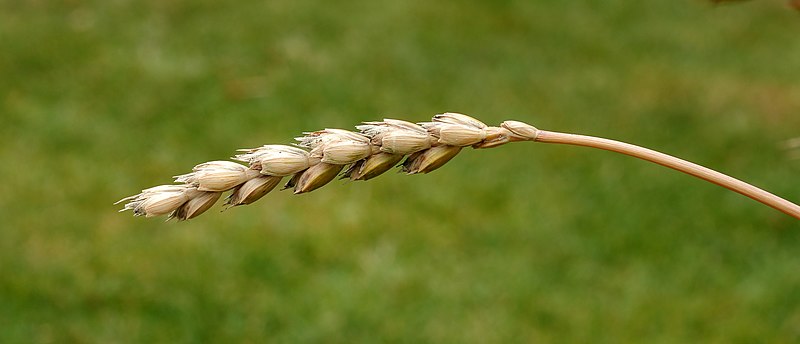
    Spelt (Triticum spelta) is also known as dinkel wheat or hulled wheat.  It’s an ancient species of wheat that isn’t super common but can sometimes be found in health food stores.  Spelt is closely related to common wheat.  It’s more popular in countries such as Germany, Austria, Poland, and Belgium.  It is sold, like common wheat, as flour and used in baked goods.  It can also be distilled to create beer and vodka. 

    Photo Credit: Dominicus Johannes Bergsma. This file is licensed under the Creative Commons Attribution-Share Alike 4.0 International license.

    Why is Spelt Added to Dog Food?

    Spelt, like the more widely known common wheat, is a grain.  Although it’s somewhat common for dogs to be allergic to common wheat and other grains, many animals who are allergic to common wheat can tolerate spelt.  This is thought to be due to the fact that spelt is an ancient grain that was first cultivated in the bronze age.  People, and thus the dogs they share their lives with, have evolved alongside spelt.

    Spelt is a good source of B vitamins and is high in fiber.  Like other grains, it is likely added to dog food as what is sometimes referred to as a filler.  Although, especially in recent years, ‘filler’ has been seen as a negative term, fillers are added to dog foods as sources of fiber.  They are usually high in fiber but low in calories, so they can help your dog feel full and promote GI health without adding a lot of additional calories to the food.

    spelt dog food

    Cons of Feeding Spelt to Dogs:

    Although it’s not as common as wheat allergies, some dogs can be allergic to spelt.  Spelt also contains gluten.  It should not be fed to dogs with celiac disease (gluten intolerance).

    Benefits of Spelt for Dogs:

    Spelt is high in fiber and can help promote health digestion.  It can help your dog feel full and satisfied with their meals, but doesn’t add a lot of excess calories to the diet.  Spelt can also provide protein, B vitamins, and iron.  It contains amino acids.  Sometimes, dogs with grain allergies to other types of grains are able to tolerate spelt.

    So What’s the Verdict on Spelt?  Is it Safe as a Dog Food Ingredient?

    Spelt is dog safe as long as your dog is not allergic to it, or suffering from celiac disease.  Spelt should be fully cooked when offered to dogs, as it can be very hard for them to digest otherwise.  This isn’t a concern when feeding a commercial dog food containing spelt,  however, as most dog foods are heavily processed.

    Comment below!  Did you know what spelt was before seeing it as a dog food ingredient?  I didn’t!  It’s funny how learning more about our dog’s food and nutritional needs can sometimes help us live healthier lives as well.  I’ve never purchased spelt flour before, but am going to try to find some now that I know more about it!

    spelt dog food
    We’ve, unfortunately, been dealing with content scrapers stealing our articles lately. You shouldn’t be seeing this article on any site other than pawprintpetblog.com! If you’re reading this article on any other site, we’d love for you to take the time to contact us and let us know and, if you have the time, stop by and visit us on our official site! Thanks you.
    Dog Health

    Dog Food Ingredients 101: Riboflavin

    April 21, 2023

    #AtoZChallenge 2023 letter R Waiting for a doctor or vet to call with test results is always a bit nerve-wracking.  I cheated a bit on yesterday’s post because I had to take my senior dog, Kitsune, to the vet.  We’ve been keeping an eye on some elevated liver numbers in his bloodwork.  So now I’m waiting for the vet to call with the results of his most recent test.  I’m keeping my fingers crossed that we get the news we’re hoping for.  Kit seems to be doing really well lately, thankfully!  Anyways, onward to today’s post for our April blog challenge.  I’ll likely post a full update post on Kit sometime soon.

    This post is part of our 2023 April blogging from A to Z Challenge!  Join us this month as we go through the alphabet, A to Z, learning more about some of the ingredients that are commonly (or not so commonly, in some cases) found in our dog’s food!

    Post Contents:

    • 1 What is Riboflavin?
    • 2 Why is Riboflavin Added to Dog Food?
    • 3 Cons of Feeding Riboflavin to Dogs:
    • 4 Benefits of Riboflavin for Dogs:
    • 5 So What’s the Verdict on Riboflavin?  Is it Safe as a Dog Food Ingredient?

    What is Riboflavin?

    R is for riboflavin!  You’ve probably heard of riboflavin before, but do you know what it is?  Riboflavin is another word for vitamin B2.  Like Niacin (vitamin B3), Riboflavin is a water-soluble vitamin.  This means that excess amounts of riboflavin taken in by the body is excreted through the urine rather than stored.  Vitamin B2 is naturally found in many foods, including dairy products, meat, eggs, nuts, and green vegetables.  It plays a role in many important body functions, such as the formation of skin and the lining of the GI tract, the formation and repair of DNA, as well as the proper function of blood cells and the brain.  Riboflavin is also essential for energy production, and the metabolism of fats and steroids.

    riboflavin dog food

    Why is Riboflavin Added to Dog Food?

    The recommended dosage of riboflavin for adult dogs is 0.1 to 1 mg per kg of body weight a day.  Since this vitamin is found in things like dairy products and meat, it’s not usually hard for dogs to acquire the amounts of riboflavin they need to keep their bodies healthy.  However, like when I wrote about vitamin B3, amounts of water-soluble vitamins, including riboflavin, can degrade when dog food is processed.  Riboflavin is light sensitive, which means that just being exposed to too much light for too long can degrade it.  For these reasons, and because riboflavin is so important for our dog’s health, pet food companies commonly add additional, supplemental riboflavin to dog foods.

    Cons of Feeding Riboflavin to Dogs:

    Riboflavin, even in high doses, has not been shown to be toxic to dogs.  Because it is a water-soluble vitamin, any excess amounts that your dog consumes will be eliminated through their urine.

    Benefits of Riboflavin for Dogs:

    Dog’s bodies require riboflavin to function properly.  Some of the roles it plays include the following…

    • Riboflavin is essential for dogs to metabolize fats, proteins, and carbohydrates.
    • Riboflavin can fight free radicals, reducing the damage they cause.
    • This vitamin is essential for the production of red blood cells.
    • It also plays a role in the formation of skin, and is important for skin health and wound healing.
    • Riboflavin is also involved in the formation of the lining of the GI tract.
    • It is essential for the creation and repair of DNA.
    • Riboflavin is important for brain health.

    Since it plays so many important roles, riboflavin deficiency, although rare, can be serious.  Symptoms can include general weakness, dermatitis, hair loss, anorexia, sores in mucous membranes such as in the mouth, and loss of consciousness.  If not treated, deficiency can eventually lead to blindness and even death.

    So What’s the Verdict on Riboflavin?  Is it Safe as a Dog Food Ingredient?

    Yes!  Riboflavin is safe for dogs.  In fact, they require it to stay healthy.  Although it can be found naturally in many foods, many dog food companies supplement their food with additional riboflavin.  This can help boost levels, and make up for some of the vitamin being destroyed in the manufacturing process.  Riboflavin, even in dosages higher than what’s recommended daily, has not been shown to have a toxic effect on dogs.  Excess riboflavin is simply excreted through the urine.

    Comment below!  Did you know what riboflavin was, and how important it is for dogs?  I bet some people interested in human health knew already, because vitamin B2 is just as important for people!  It’s interesting how similar we can be, in many ways, to our animal companions.

    riboflavin dog food
    We’ve, unfortunately, been dealing with content scrapers stealing our articles lately. You shouldn’t be seeing this article on any site other than pawprintpetblog.com! If you’re reading this article on any other site, we’d love for you to take the time to contact us and let us know and, if you have the time, stop by and visit us on our official site! Thanks you.

    Dog Health

    Dog Food Ingredients 101: Quinoa

    April 20, 2023

    #AtoZChallenge 2023 letter Q Q is always a hard letter to come up with post ideas for when it comes to the April Blogging from A to Z Challenge!  But there’s just something about the letter Q.  When you come to it, it feels like you’re almost at the end of the alphabet.  It’s hard to believe that after today, there are only 9 letters left in the A to Z challenge and only 10 days left in April.  This year is just flying by!

    I’m going to cheat a bit today for Q, because I’ve actually already written about quinoa here before.  I wrote about quinoa for dogs during last year’s (2022) April challenge.  I’m allowing myself a bit of a pass today, though, because in a little bit I have to take Kitsune to the vet.  No worries, he’s ok!  We’re just repeating his bloodwork to keep an eye on his liver numbers.

    This post is part of our 2023 April blogging from A to Z Challenge!  Join us this month as we go through the alphabet, A to Z, learning more about some of the ingredients that are commonly (or not so commonly, in some cases) found in our dog’s food!

    Quinoa dog food

    Post Contents:

    • 1 What is Quinoa?
    • 2 Why is Quinoa Added to Dog Food?
    • 3 Cons of Feeding Quinoa to Dogs:
    • 4 Benefits of Quinoa for Dogs:
    • 5 So What’s the Verdict on Quinoa?  Is it Safe as a Dog Food Ingredient?

    What is Quinoa?

    Well, to quote myself…

    Quinoa (pronounced keen-wah, by the way) is a plant in the goose-foot family.  Although quinoa is often thought of as a grain, it is not technically one.   It’s a bit hard to classify – quinoa is a seed that is harvested from plants classified as pseudo-cereals.  It’s actually closest in relation to leafy greens such as spinach and Swiss chard.

    Why is Quinoa Added to Dog Food?

    Quinoa is a super food.   It’s a complete protein, which means that it contains all 9 essential amino acids. It also contains iron, phosphorous, magnesium, vitamin B, vitamin E, and omega 3 fatty acids, among other nutrients.  It’s high in fiber, and cancer fighting antioxidants.  While being high in good stuff like protein and nutrients, quinoa is low in fat and cholesterol.

    If you haven’t figured it out yet – yes, quinoa is safe for dogs.  In fact, it’s increasingly being used as an ingredient in higher quality dog foods.  Being a plant based food, quinoa is not as easy for dogs to digest as meat, but they can still derive benefits from eating it.

    Cons of Feeding Quinoa to Dogs:

    Quinoa contains oxalates.  Oxalates, or oxalic acid, is a compound found naturally in some plants.  Oxalates can cause GI upset, and are thought to increase  inflammation.  Feeding dogs with arthritis or other inflammatory issues high amounts of quinoa is probably not a good idea.  Oxalates can also increase the risk of developing kidney and bladder stones, because they bind calcium.

    Although it is not technically a grain, some dogs can suffer from allergies to quinoa.

    Benefits of Quinoa for Dogs:

    Quinoa is a super food packed full of beneficial nutrients such as amino acids, iron, phosphorous, magnesium, vitamin B, vitamin E, and omega 3 fatty acids.  Because it is so nutrient dense, it can be a good alterative to grains such as corn or soy in dog food.  Quinoa is low in calories but high in fiber.  This means that while it can provide your dog with many nutrients and help them feel full, it doesn’t add a ton of additional calories to dog foods.  It can be an especially great nutrient source for dogs who require a low calorie diet.

    So What’s the Verdict on Quinoa?  Is it Safe as a Dog Food Ingredient?

    As long as your dog is not allergic to quinoa, it is safe in moderation.  If your dog has arthritis or another inflammatory condition, or is prone to developing bladder or kidney stones you might want to discus with your vet/vet nutritionist whether or not quinoa should be a healthy part of your dog’s diet.  The effects of oxalates in quinoa are decreased with processing.  The amounts of processed quinoa found in commercial dog foods should not lead to issues such as GI upset.

    Comment below!  Do you like quinoa?  Does your dog?  Have you ever fed a commercial dog food that contained quinoa?

    quinoa dog food

    We’ve, unfortunately, been dealing with content scrapers stealing our articles lately. You shouldn’t be seeing this article on any site other than pawprintpetblog.com! If you’re reading this article on any other site, we’d love for you to take the time to contact us and let us know and, if you have the time, stop by and visit us on our official site! Thanks you.
Older Posts
Newer Posts
It's a beautiful day to play ball in the snow ❄️ It's a beautiful day to play ball in the snow ❄️
Today would have been Kit's 17th birthday. My best Today would have been Kit's 17th birthday. My best buddy...not a single day goes by that I don't think of him. Forever a beloved member of our little pack ❤️
Someone stole his dad's socks 😂 10 years old and s Someone stole his dad's socks 😂 10 years old and still as mischievous as a pup!  This little one makes me laugh everyday and I'm SO thankful for him. 💙
New phone, who dis!? 😅 Sorry for the lack of new New phone, who dis!? 😅 
Sorry for the lack of new Fen pics lately... My old phone broke and it took me awhile to replace it. 
Fen is his happy, sassy, playful self and is doing well. 💙
Fen makes me laugh so much! Today is my partner's Fen makes me laugh so much! Today is my partner's birthday. ❤️ I almost always wake up earlier than him, so this morning I was planning on getting up to decorate for his birthday. I wanted to surprise him with decorations and his presents set out when he got up.

Well...Fenrir ruined it all, because as soon as he saw the wrapped presents for my partner, he got SO excited! And if you have ever had the pleasure of meeting an Alaskan Klee Kai you will know, when they get excited, they just have to make sure everyone knows about it!

Long story slightly shorter, Fen woke my partner up early, on his birthday, all because Fen REALLY wanted to open presents that weren't even for him! I didn't get to decorate, but lesson learned - don't put gifts where Fen can see them because he will get really, really excited about it.

And just so you all don't feel too bad for him...I ended up wrapping one of Fen's Christmas presents and giving it to him to open early! 🤣
Follow on Instagram
Facebook Instagram Pinterest Youtube

Copyright © 2025 Paw Print Pet Blog. All Rights Reserved.

Back to top