Are marrow bones safe for dogs?
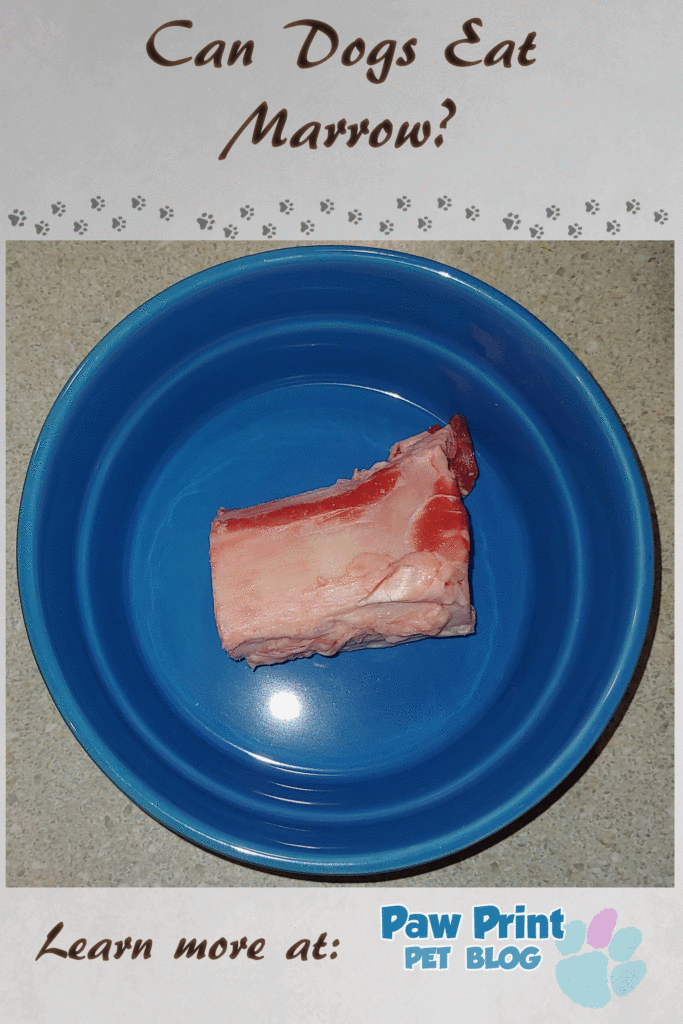
 When I was a kid my family had a cocker spaniel. She ate kibble, but my dad also used to give her an array of raw bones to chew. I remember raw marrow bones were one of her favorite treats. She would spend hours working on them, trying to figure out how to get all of the coveted marrow out. There are health benefits to feeding dogs marrow, but when I got older and had dogs of my own (ha) I learned that there are also potential dangers associated with feeding raw marrow bones.
I remember when I first got Kitsune, doing research about what types of bones are safe for dogs and coming across numerous accounts of dogs who had gotten marrow bones stuck on their lower jaws. Hollow marrow bones can get lodged around dog’s lower jaw, right behind the canine teeth. Apparently this phenomenon isn’t all that uncommon. Sometimes the bones get so stuck that vets have to use bone saws to remove them.
You could argue that selecting the right sized bone could eliminate, or at least greatly reduce, this risk. Even so, there are other potential problems. Weight bearing bones of large animals, which includes beef marrow bones, are very hard – harder than dog’s teeth. Hard bones plus over exuberant dogs can lead to broken or fractured teeth, which can be painful and expensive to treat.

If marrow bones are so dangerous, why did we include it on our A to Z foods list?
The marrow inside marrow bones contains vitamins, minerals, and essential fatty acids. Fatty acids help promote healthy brain function, skin and fur health, faster wound healing, and a healthy immune system. Marrow contains elements important to the body including vitamin A, iron, calcium, phosphorous, and zinc to name a few.

To give my dogs the benefits of consuming marrow, while also avoiding the potential dangers that can come with giving them intact marrow bones, I make them bone broth!
 Bone broth is, basically, soup stock that’s made by allowing bones to simmer in water for long periods of time. Adding vinegar (I use apple cider vinegar) helps draw nutrients from the bones. I use our slow cooker to make bone broth, and almost always include at least one beef marrow bone, although other types of bones can be used as well. When your broth is done, make sure to strain out the bones and only offer your dog the liquid/jelly (bone broth has a gelatin like consistency after it cools).
Bone broth is an amazing food topper. It can be a great way to get nutrients into a sick dog. Like the gelatin we posted about the other day, bone broth can help support joint health. It contains natural forms of glucosamine and chondroitin, as well as many other essential vitamins and minerals. If you make too much, you can freeze bone broth to make it last longer. I usually freeze it in ice cube trays so I can easily defrost a few cubes at a time.
Looking for more ideas for healthy “human” foods you can share with your dog? Check out my other blogging from A to Z challenge posts!
Making bone broth is a great way to provide your dog with the benefits of marrow bones, without having to deal with any of the potential drawbacks. Do you like cooking for your dog? Have you ever tried making bone broth?
 But I’m just a human, so my opinion doesn’t matter (much) here!
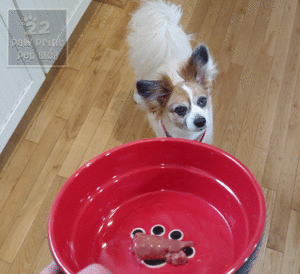 Raw feeders normally recommend that a dog’s diet be made up of only about 5% liver. Although it does have many amazing health benefits, you always want to feed liver in moderation. Too much liver in the diet can lead to an overdose of vitamin A, which can wreak havoc with your dog’s bones, digestive system, and muscles.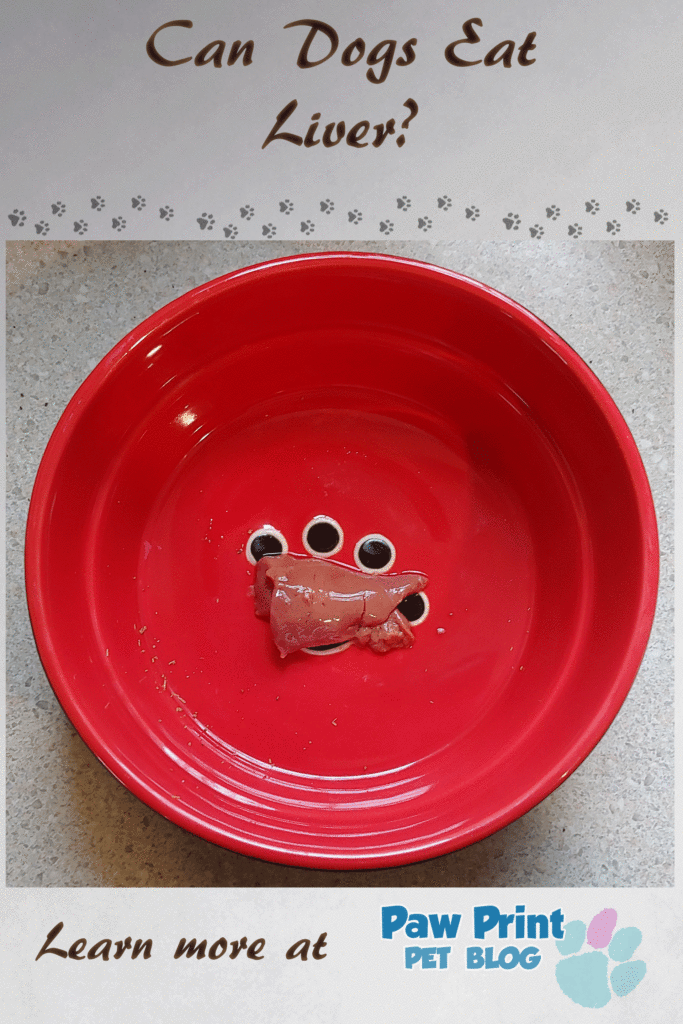
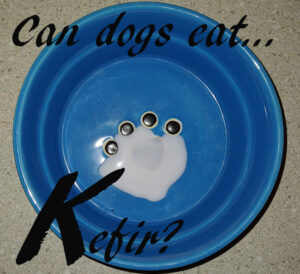 I’ve been making milk kefir for my dogs for years now! Milk kefir is a probiotic packed drink that is made from cultured/fermented milk. Think yogurt, only with even more probiotic goodness, and a thinner consistency.
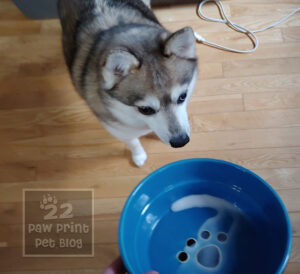 Think of kefir like you would yogurt – only it’s better! Kefir contains more live strains of beneficial bacteria/yeasts than yogurt does. The strains of bacteria/yeast found in kefir can colonize the digestive tract.
 It sounds gross, right? I wasn’t crazy about the idea of fermenting milk in my kitchen when I first started our kefir journey. It doesn’t smell bad, which is one thing I was concerned about. Both my dogs will readily drink it – Fenrir especially enjoys it. The longer you leave it to ferment, the stronger the flavor. I’ve found that my dogs personally seem to enjoy lightly fermented kefir. If I forget about it and accidentally over ferment it, they usually don’t like it as much.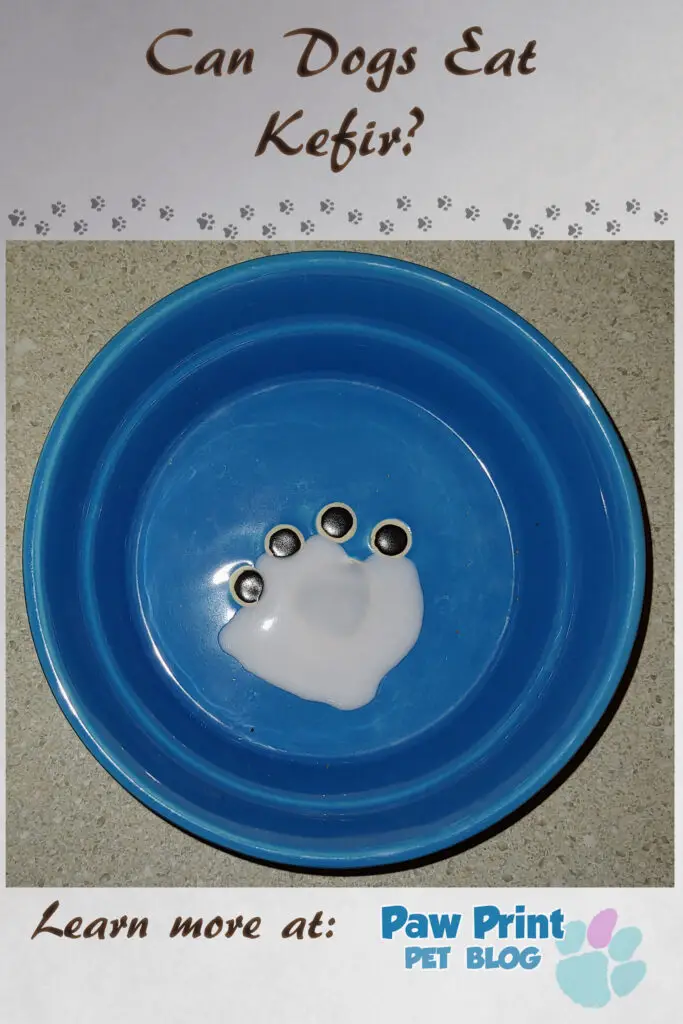
 I’m not recommending that you feed your dog Jello treats made/sold for humans! Jello treats for humans commonly contains added sugar and other ingredients that wouldn’t be good for your four legged friend. But you can buy unflavored gelatin, which is dog safe, that can be flavored with natural ingredients, and is beneficial to dogs with joint issues.
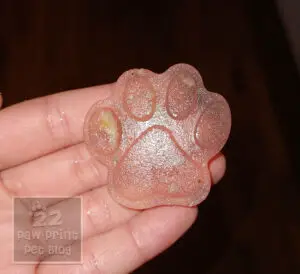 I occasionally offer my dogs,
  Not only is gelatin safe for dogs, but it actually provides some health benefits. I’ve mentioned before that Kitsune has some (so far minor) joint issues. We supplement his diet with things like
  After learning all this, I started offering Kitsune gelatin treats more often. “Jello” treats for dogs are really easy to make. If you don’t want to make treats, but want your dog to get the benefits of eating gelatin, you can sprinkle powdered gelatin directly over your dog’s regular food.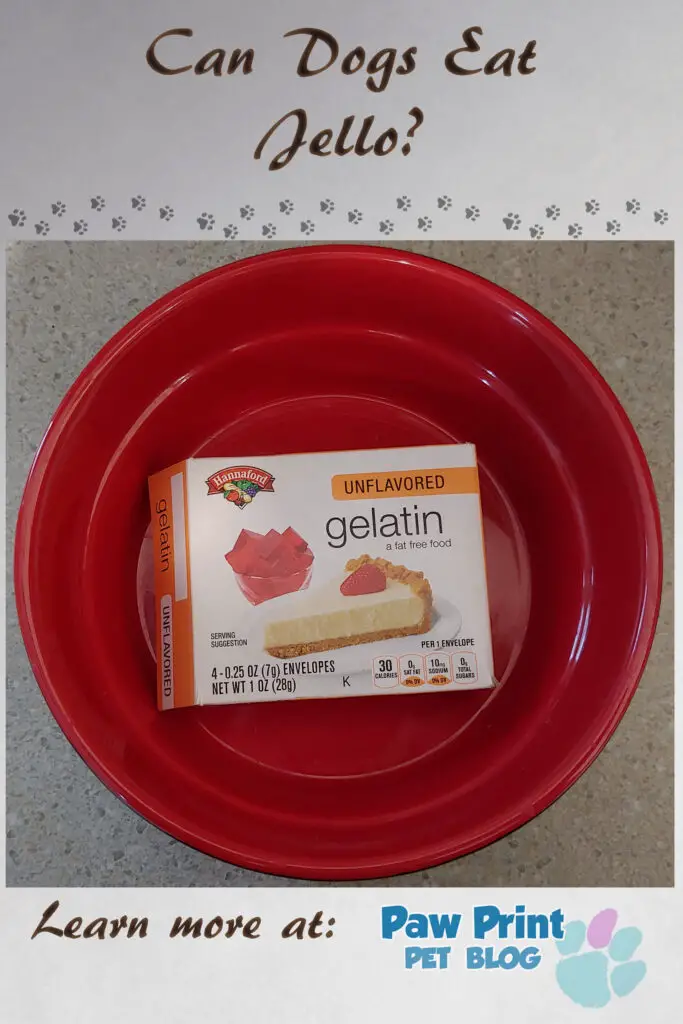
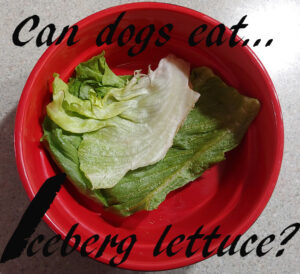 Can pets eat iceberg lettuce? If you have something like a reptile, or a rabbit, you might know that it’s best practice to avoid iceberg lettuce. I used to keep house rabbits, and iceberg lettuce is one green you’ll want to keep off your rabbit’s plate. That’s because iceberg lettuce is not very nutrient dense, especially when compared to other types of greens – it’s mostly water! It’s about 96% water, to be exact.
 Although, like previously mentioned, iceberg lettuce is 96% water, it does contain some beneficial nutrients. It contains vitamins C, A (beta-carotene), and K. It also contains small amounts of calcium, folate, and potassium.
 My
My 
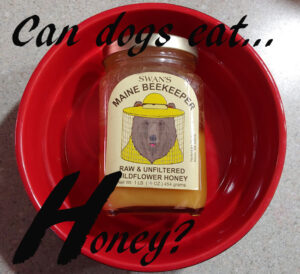 I’m a big fan of anything sweet, honey included. In our town, we have an awesome farmer’s market that is frequented by an
  One of the reasons I really like offering Kitsune honey is because he, like me, suffers from seasonal allergies. Locally sourced raw honey contains pollen from local plants. By eating these pollen spores, you are potentially exposing yourself to the same types of spores that cause you to feel so miserable during allergy season. Eating local honey works much the same way as allergy shots – exposing yourself to small amounts of allergens to desensitize your immune system to the cause of your allergies.
 But remember not to give raw honey to puppies, and only give it to adult dogs in moderation. Kitsune’s vet recommended we offer a half of a teaspoon of raw honey to Kit a day to combat his seasonal allergies. Too much honey can cause GI upset. It’s also very calorie dense, so care should be taken when feeding it to a pet who needs to lose weight. If your pet has any health issues, talk to your vet before introducing any new foods.
 Because green beans can be awesome, low calorie, nutrient packed snacks for dogs! Both of my dogs –
  The lazy person in me loves the fact that green beans can be fed plain, fresh, frozen, or canned. If you opt for canned green beans, make sure they are plain, IE that they don’t contain any added salt. As humans, most of us probably appreciate a little seasoning on our green beans, but dogs should eat them plain.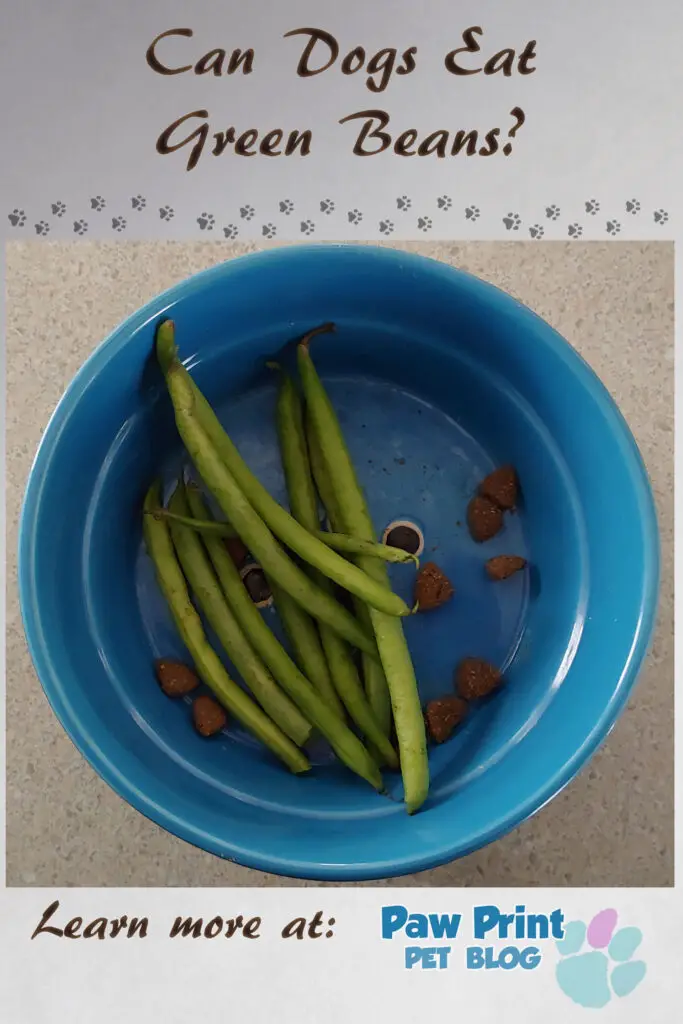
 But my dogs both love fish! Luckily, the humans here are willing to put up with stinky doggy breath so that the boys can enjoy their tasty fishy snacks. Fish is a great food option for my personal dogs.
  Omega-3 fatty acids! Need I say more? Maybe not, but I type a lot! Omega-3 fatty acids, such as DHA and EPA, benefit dogs in a number of ways. The most important way, in my opinion at least, is that they are great for your dog’s joints and can help improve mobility.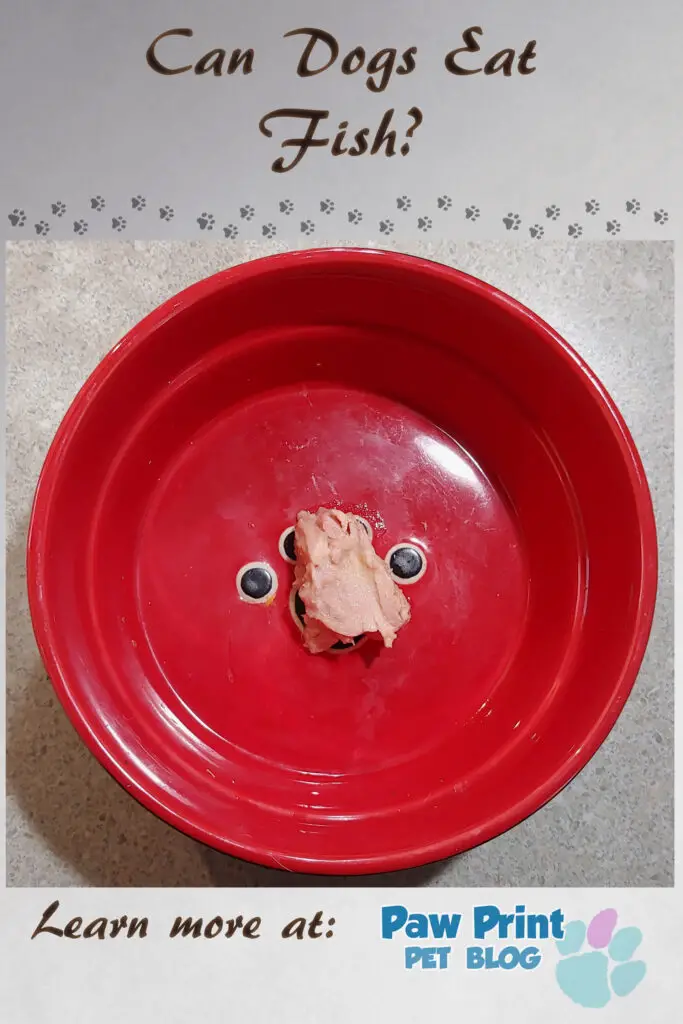
 Don’t put all your eggs in one basket…especially when you live with a mischievous puppy!
 If you feed eggshells, they are a great source of calcium. The insides of eggs are full of protein, selenium, riboflavin, vitamin A, vitamin B12, Iron, selenium, and fatty acids. Eggs are often touted for being beneficial for dog’s skin and coats.
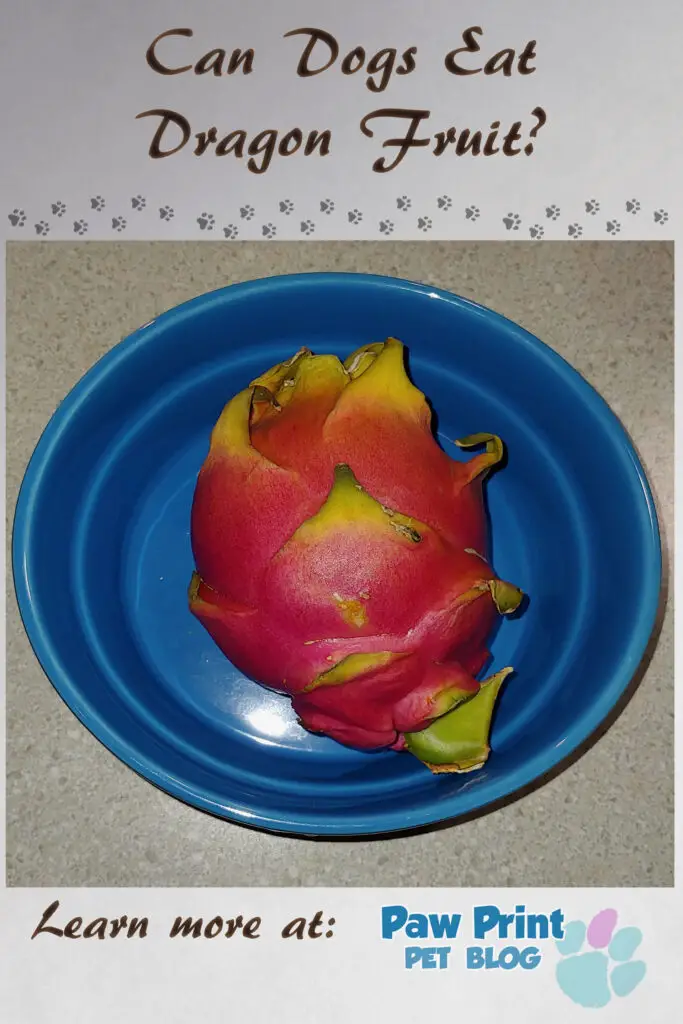
 I’ve always had a “thing” for dragons. They’re awesome! While dragon decor graces many of the rooms of my house, dragon fruit has never before graced my kitchen! Although I had heard of dragon fruits before, for most of my life I had never actually seen one in person. They’re apparently not very common in the areas where I’ve lived. Last year, I bought a dragon fruit plant, which I was pretty excited about. But I (stupidly) put the pot on the floor under a window. Fenrir promptly used it as a step stool to get a better view out the window.
 It turns out, dragon fruit is safe for dogs!
 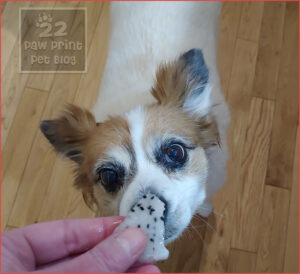 A food can be the healthiest thing in the world, but it isn’t going to do your dog any good if he/she refuses to eat it!