• Home
  • Popular Topics
    • Papillons
    • Alaskan Klee Kai
    • Hiking with Dogs
    • Dog DIY
    • Recipes
    • Dog Product Reviews
    • Can Dogs Eat…
    • Dog Health
  • The Paw Pack
    • Kitsune (2008 – 2024)
    • Fenrir
  • Policies
    • Disclaimer
    • Privacy Policy
    • Work with Us
    • Site Map
  • Contact

Paw Print

    Dog Health

    How Much Should Dogs Sleep?

    September 13, 2022

    Have you ever wondered how much time your dog should spend sleeping?  Lately, my younger dog Fenrir has been waking me up early.  I have to admit I’ve felt a bit jealous when, after forcing me to get up earlier than I’d like, Fen saunters off and goes back to bed!  Both of my dogs, although they’re a bit older now, are high energy breeds.  I spend as much time as I’m able to, during the day, working on their training or spending time exercising them outside.  I am lucky to be able to work from home, so I can spend more time with my dogs than your average person.  Most people work full time, and assume that their dogs spend most of their day sleeping.  But do they, really?

    How much, on average, should dogs sleep per day?

    On average, healthy adult dogs will sleep anywhere between 12 to 18 hours a day.  Older dogs, larger dogs, and growing puppies generally spend more time sleeping.  High energy breeds, adult small breed dogs, and working dogs usually spend less of their time sleeping.  Much like humans, how much sleep a dog needs a day can be a very individual thing. 

    dogs sleepNaps are Normal!

    Most dogs, as they adapt to our schedules, will sleep through the night.  It’s normal for dogs to nap when they’re bored, which is probably why it’s so common for dogs to sleep the day away while their owners are at work.  It’s also normal for dogs to take a series of short naps throughout the day, normally when things are quite and calm, and to stay awake when things are a bit more interesting.

    Keep Track of Your Dogs’ Sleep Schedule

    While sleeping a lot can be normal for dogs, owners should watch out for dramatic changes to their pet’s sleep cycles, or lethargy.  Sometimes sleeping too much, especially when paired with general lethargy, can be a sign of something more serious, such as illness or a poor diet.  Learn to recognize you’re pet’s regular sleeping pattern so that you can easily detect when something is amiss.  Sleeping more as they reach their senior years is normal for most dogs.  However, this progression is usually a gradual thing.  If your dog, all of a sudden, spends a lot more time sleeping then a trip to your vet for a checkup is recommended.

    Sound off in the comments!  How much time a day does your dog spend sleeping?

    dogs sleep

    Dog Health

    Obesity is a Growing Problem for Pets

    September 12, 2022

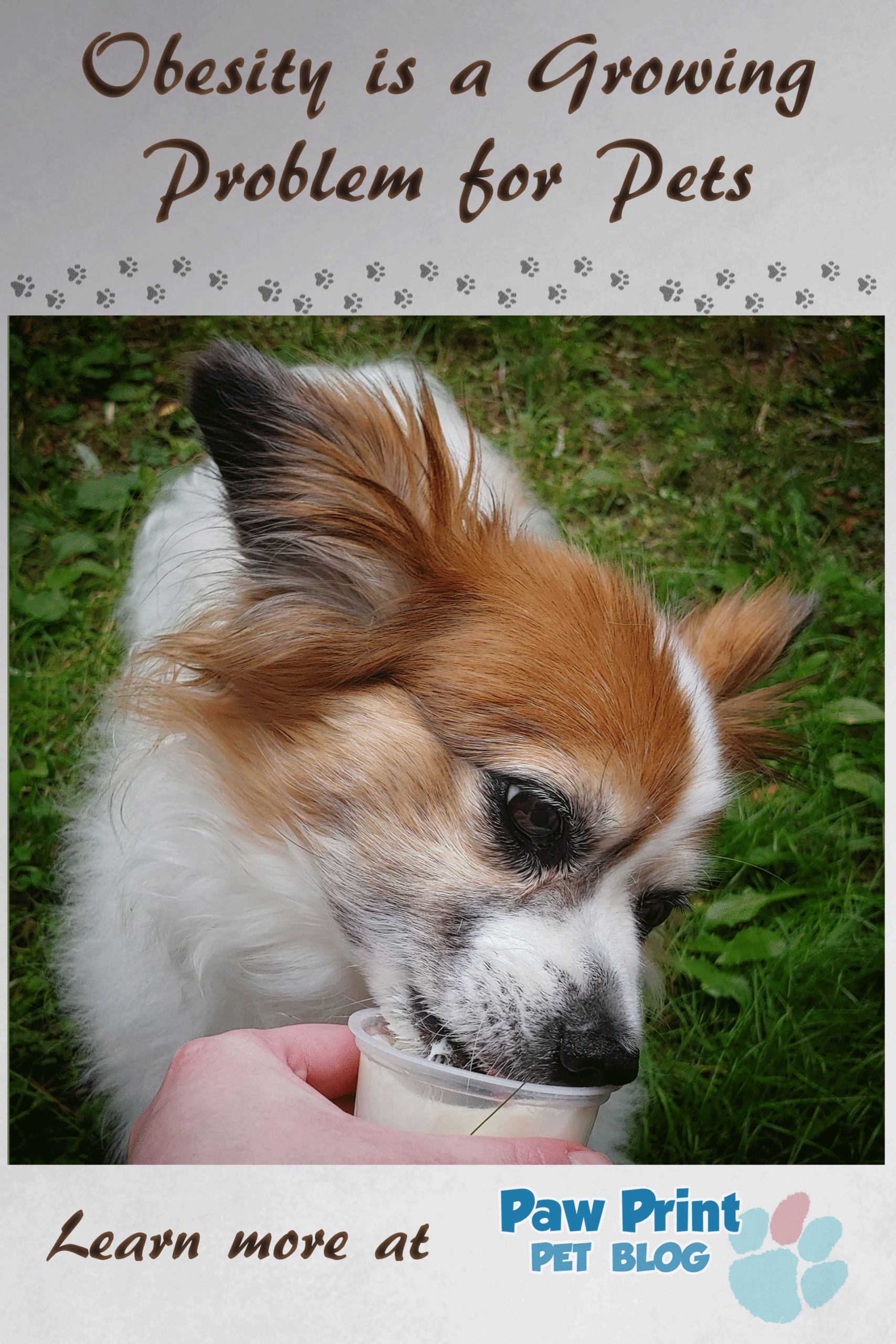
    Like with humans, the growing waist sizes of American pets is quickly becoming a national epidemic. A 2021 survey among American pet owners, conducted by the Association for Pet Obesity Prevention, found that around 45% of cats and 44% of dogs are overweight or obese.  That’s just under half of the domestic pet population, and is not even taking into account exotic pets, who are also prone to becoming overweight. Contrary to what some may believe, the problem is not only here in America. Globally, pet obesity is a growing problem that in some countries is considered abuse.

    Post Contents:

    • 1 Don’t Let Your Pet Become an Obesity Static!
    • 2 How to Tell if Your Pet is Overweight or Obese
    • 3 Helping Your Pet Loose Weight
    • 4 Don’t Forget to Exercise!

    Don’t Let Your Pet Become an Obesity Static!

    pet obesityWhat can you do to keep your pet from becoming a part of the ever growing pet obesity statistic? Like with many other vices, the first step is admitting to yourself that you may have a problem.

    Pets love food! Not many things will make Fluffy or Fido happier than receiving a delicious treat. There’s nothing wrong with treating your pet once in awhile, but it’s a simple fact that pets who are given too much to eat and not enough exercise, just like humans, are likely to become overweight.

    How to Tell if Your Pet is Overweight or Obese

    If you think your pet may already be carting around some extra baggage, a visit to your vet can confirm. Your veterinarian should be able to help you determine what a healthy weight for your pet would be. For a typical cat or dog, there are some indicators that your pet may be overweight. For a healthy adult animal, you should be able to see a defined waist when looking at them from above or from the side. If your pet looks like a thick sausage, or maybe even a basketball, then chances are your pet is overweight.

    You should be able to feel your pets rib cage without having to press down too hard to find it. You don’t have to necessarily be able to see your pets ribs, but they should not be covered with such a thick layer of fat that you cannot feel them when petting your animal. Keep in mind, however, that normal body shapes can differ between breeds and even between individuals. Your vet should be able to help you to determine what would be a healthy weight for your individual pet.

    Helping Your Pet Loose Weight

    pet obesityOnce you have determined that your pet may be overweight, what can you do about it? The simple answer is diet and exercise. For an overweight pet to loose weight, they must burn more calories than they consume. It’s important, even if your pet is not overweight, to determine a healthy maintenance diet for you pet so that you can maintain your pets healthy weight. A maintenance diet should take into account your pets energy level and size.

    Don’t just feed your pet the amount it says on the back of the food bag! Many pet food companies over estimate how much food a typical pet will need per day, because, lets face it, pet food companies are a business and the more food your pet consumes the more you will have to spend buying their product.  Remember, if you normally feed your pet a lot of treats throughout the day, you can make up for this by feeding them slightly smaller amounts at dinner time.

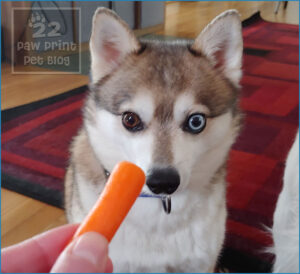
    Healthy, low calorie snacks, such a dog safe vegetables, can help your dog feel full without adding a lot of extra calories.

    Don’t Forget to Exercise!

    Remember that food is only one half of the weight equation. Exercise is just as important! Regularly exercising your pet will not only help them to maintain a healthy weight, but is also a great way to have fun and bond with your furry friend.

    Pets are parts of our families, and we want them to be as healthy as possible. Pet obesity can lead to a number of different health disorders and can shorten our pets lifespans. Maintaining our pets healthy weight may not always be one of the most fun aspects of caring for our beloved pets, but it’s an important step to take to insure our furry friends remain as healthy and happy as possible.

    pet obesity

    Pet Tips

    Fall Safety Tips for Pet Owners

    September 11, 2022

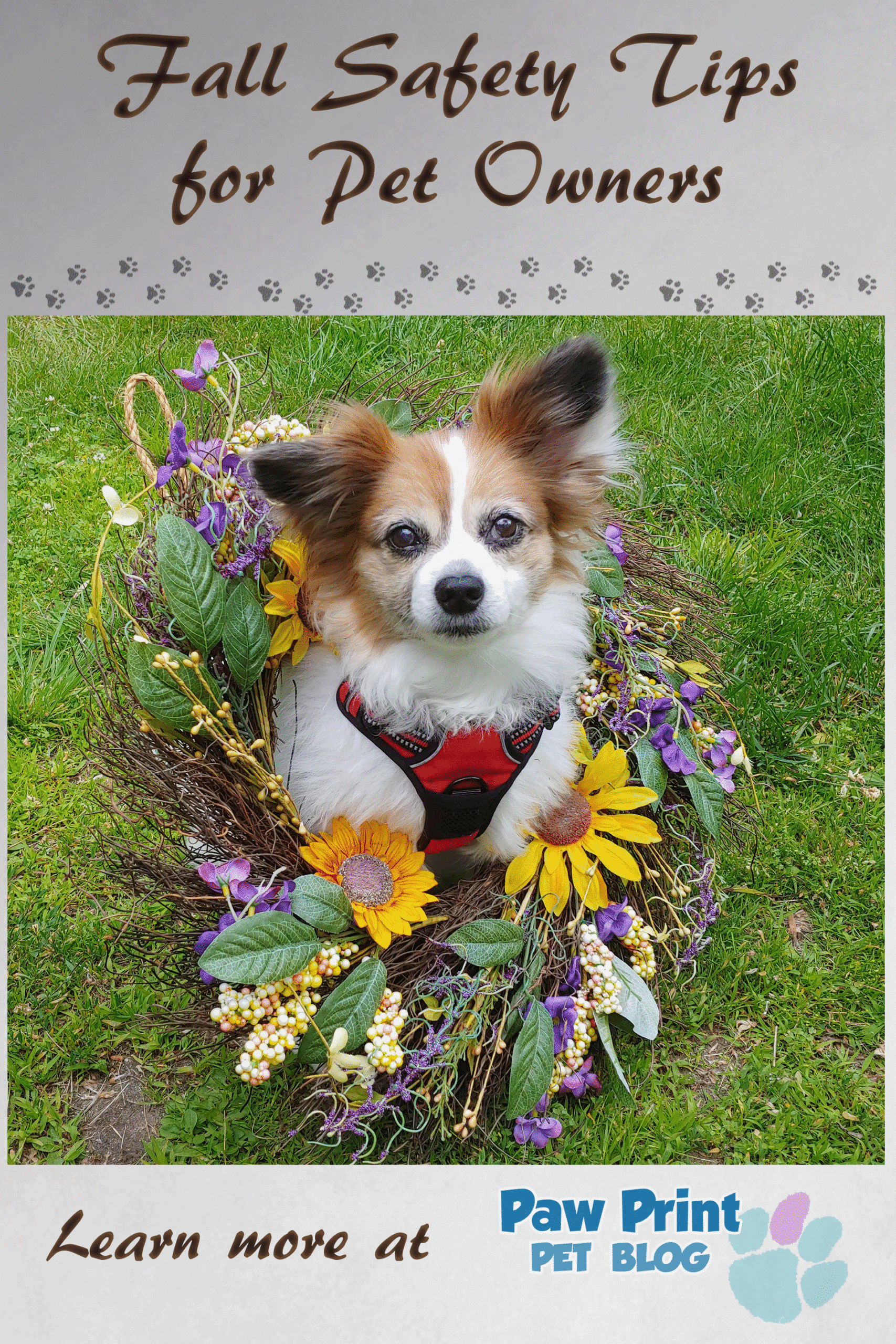
    Happy fall!  Autumn is an amazing time of year.  The cooler temperatures and beautiful foliage make it a fun season to spend time outdoors with our pets.  However, it’s important to remember that there are many potential dangers to our pets present around this time of the year. Most of them are not as obvious as the dangers posed by the hot summer sun, so it’s even more important to be aware of autumn safety hazards. Follow these fall pet safety tips, and you and your pet should be well on your way to a snug, happy, and healthy fall season!
    pet fall safety

    Post Contents:

    • 1 Rodent & Insect Poisons:
    • 2 Back to School Hazards:
    • 3 Compost Piles:
    • 4 Plants: 
    • 5
    • 6 Mushrooms:
    • 7 Auto Coolants:
    • 8 Holiday Hazards:
    • 9 Allergies & Arthritis:
    • 10 Cold:
    Rodent & Insect Poisons:

    As the weather gets colder, it’s common for rodents and insects to attempt to find ways indoors where they can stay warm.  Many people use poisons around their homes, both indoors and out, in an attempt to ward off unwelcome house guests.  Ingesting poisons made for insects or rodents can be fatal to pets.  If you must use these types of products, use extreme caution and never put poisons in locations where your pet(s) can access them.  Even if you do not use poisons in your own home, be aware that other people you visit may.  Do not allow your pet onto private property without the property owner’s consent and always be careful while visiting family and friends who may be unaware that poisons left out for rodents can be dangerous to visiting pets.

    Back to School Hazards:

    For households with human children, whether they are attending online or in person, September means getting ready to go back to school.  While this time is often very exciting for kids, remember that school supplies such as glue, markers, and other potentially toxic or dangerous items can look like fun new toys to the family pet.  Keep school supplies put away where curious pets cannot get to them when not in use.

    Compost Piles:

    Composting can be great for the environment and your plants, but decomposing materials can contain toxins and bacteria that can be dangerous to our pets.  If you have a compost, find a way to fence it off or put it in a location where your pets will not be able to get into it.

    Plants: 
    pet fall safety

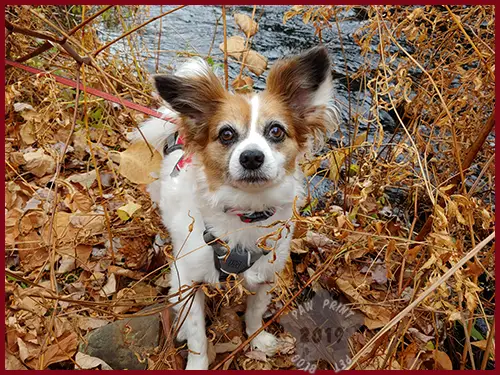
    Speaking of plants, many plants commonly kept indoors can be hazardous to animals.  If you bring any of your outdoor plants indoors during the cold months, or purchase any new plants during the holiday seasons, make sure they are kept well away from your pets.  Many types of plants commonly purchased for cold weather holidays, such as holly, mistletoe, and poinsettia, are actually toxic if ingested by our pets.

    Mushrooms:

    Fall (and spring) are mushroom seasons.  Luckily, most types of wild mushrooms present little or no danger to our pets.  However, there are some types of mushrooms that can be deadly to pets.  It is often times difficult to tell the difference between toxic and nontoxic mushrooms, so the best course of action is usually to prevent your pet from ingesting any mushrooms.

    Auto Coolants:

    Not only antifreeze, but also other car chemicals and fluids can be dangerous to animals.  Antifreeze is especially dangerous because it has a sweet scent that attracts many animals.  Auto coolants and other car related chemicals are dangerous any time of the year, but as the weather gets colder it’s more likely that an animal may get into your garage or car engine seeking a warm spot to hide from the cold.

    Holiday Hazards:

    There are far too many potential holiday hazards to list here, but it’s important to make sure you consider your pets safety while celebrating fall holidays.  Holiday foods, decorations, and even guests can all present dangers to our pets.  Holidays can be a fun and exciting time for our pets, but in the excitement of celebrating don’t forget to keep your furry friends safety in mind.

    Allergies & Arthritis:

    Allergies and arthritis are both conditions that can be made worse in the autumn.  The change of seasons presents a whole new set of potential allergens that may effect your pet.  The increasingly cold weather can lead to painful flair ups of arthritis, especially in older pets or those with joint issues.  Keep an eye on your pet and speak to your veterinarian if you suspect any seasonal health changes.

    Cold:

    Lastly, and maybe the most obvious danger, is the cold weather.  While fall may not be as cold as winter, the dropping temperatures can impact our pets, especially those who spend extended amounts of time outdoors.  Make sure your pet(s) have access to an area where they can go to warm themselves, such as inside your home or a properly insulated shelter.  Also make sure your pet always has access to fresh, clean, unfrozen water.  Even when there is no snow, fall temperatures can sometimes drop low enough to freeze over pet’s water sources.  Know the signs of hypothermia and get your pet medical attention imminently if you think he or she may be suffering from low body temperature.

    This is not an all inclusive list, but follow these tips and you and your pet should be well on your way to a healthy, happy, and safe fall!

    pet fall safety

    Papillons

    50 Unique Name Ideas (with Meanings) for Female Papillons

    September 10, 2022

    Yesterday I posted my list of 50 Unique Name Ideas (with Meanings) for Male Papillons.  You didn’t think I was going to leave out the girls did you!?  I currently have two dogs, Kitsune the papillon and Fenrir the Alaskan klee kai, both of whom are boys.  I’ve never had the pleasure of actually being able to name a female dog of my own.  Maybe someday!  Until then, I’d love you help you, if you’re trying to think of a name for a new female papillon member of your pack!

    Butterfly/Moth Themed Name Ideas for Your Female Papillon

    name female papillon

    Papillon is French for butterfly, after all.  Papillons were named after butterflies because of their large, frilly ears.  The drop eared version of a papillon is called a phalene, which is French for moth.  Phalenes and papillons are actually the same breed of dog, despite the differences in their ears.  What better name for your little butterfly/moth dog than one that nods towards their regal breed name?

    1. Adelpha – This Greek name means “beloved sister”, and is a genus of butterflies.
    2. Bindi – Bindi in the language Noongar of western Australia means “butterfly”.
    3. Chouka – This name means “butterfly” or “flower” in Japanese.
    4. Camilla – Limenitis camilla is a type of butterfly commonly known as the white admiral.
    5. Emilia – This name means “butterfly” in Greek.
    6. Farasha – This name is Arabic, and means “butterfly”.
    7. Fafelina – This is an Italian name meaning “butterfly”.
    8.  Kimimela – This is a Native American name meaning “butterfly”.
    9.  Lina – This name means “butterfly” in Arabic.
    10. Yara – Yara means “small butterfly” in Arabic.
    11. Cynthia – This name also refers to a group of butterflies.
    12. Greta – Greta Oto is a species of butterfly.
    13. Josephia – Ganyra Josephina is a species of butterfly.
    14. Olympia – Olympia marble is a type of butterfly.
    15. Sylvia – This name is Latin and means “woods”, it is also the name of a butterfly.
    16. Tullia – This is the name of an Australian butterfly.
    17. Mariposa – (Posie for short) This is the Spanish word for butterfly.
    18. Vanessa – This name that means “butterfly”.
    19. Lady – After the painted lady butterflies.
    20. Luna – After the luna moth.
    21. Isabella – After the isabella tiger moth.
    22. Ruby – After the ruby tiger moth.
    23. Bella – After the bella moth.
    24. Holly – After the holly blue butterfly.
    25. Meadow – After the meadow brown butterfly.

    Other Name Ideas for Your Female Papillon

    None of the moth/butterfly themed names doing it for you?  Here’s some other name ideas that might be fitting for your female papillon.

    1. Mai – Means “beloved/darling”.
    2. Cora – Means “just/honorable”.
    3. Wren – A type of small bird.
    4. Piper – Means “feisty but floaty”.
    5. Clea – Means “to praise”.
    6. Melody – A song.
    7. Fern – A type of plant.
    8. Raya – Means “friend”.
    9. Teagan – Means “beautiful/perfect”.
    10. Tallulah – Means “leaping water”.
    11. Ayden – Means “fire”.
    12. Lily – A type of flower.
    13. Willow – A type of tree.
    14. Kinsley – Means “king’s meadow”.
    15. Zoey – Means “life”.
    16. Summer – The season.
    17. Alora – Means “dream” or “dreamer”.
    18. Arwen – Means “noble maiden” in Welsh.
    19. Clover – A type of plant.
    20. Echo – Means “sound returned”, and also refers to a mountain nymph in Greek mythology.
    21. Fable – Means “to talk” or “legend”.
    22. Katana – A type of Japanese sword.
    23. Kiko – Means “brave one”.
    24. Rowan – Means “little redhead”.
    25. Sonnet – Means “little song”.

    Do any of these names seem fitting for your papillon?  If anyone uses any of them, you’ll have to comment below and let me know!

    name female papillon

    Papillons

    50 Unique Name Ideas (with Meanings) for Male Papillons

    September 9, 2022

    It’s been a long time since I’d had to think about naming a dog.  My two “puppies”, Kitsune the papillon and Fenrir the Alaskan klee kai, are 13 and 7.  But I’ve been writing a lot more serious papillon content lately, and I thought this type of post might be a fun break.  I remember how much fun my partner and I had while we were naming our own two dogs.  If you recently had a male papillon join your pack, and you’re trying to figure out a name for him, maybe you’ll find one that fits from this list!

    Butterfly Themed Names for Male Papillons

    papillon name male

    Papillon is the French word for butterfly, after all.  Papillons are often referred to as “butterfly dogs” because of their large, frilly ears.  So it seemed fitting to start off our name list with butterfly themed names…

    1. Skipper – “Skippers” is a term used to refer to butterflies in the family Hesperiidae.  The term referrers to their erratic way of flying.
    2. Admiral –  After the red admiral butterfly.
    3. Duke – After the duke of burgundy butterfly.
    4. Argus – After the brown argus butterfly.
    5. Grayling – After the grayling butterfly.
    6. Copper – After the small copper butterfly.
    7. Ekval – An Indian name meaning “butterfly”.
    8. Monarch – After the monarch butterfly, also means “king”.
    9. Tarralikitak – A unisex name that means “butterfly” in Inuit.
    10. Adonis – After the adonis blue butterfly, Adonis is also a figure from Greek mythology.
    11. Danaus – Danaus is the great grandson of Zeus, but is also a type of butterfly.
    12. Flutur – This Albanian name translates to “butterflies”.
    13. Icarus –  This is the name of a butterfly, but also a figure from Greek mythology.
    14. Memphis – This Greek name, with Egyptian origins, means “beautiful and enduring”, and it’s also a type of butterfly.
    15. Orion – Orion is a type of  butterfly.
    16. Apollo – Apollo refers to a type of butterfly, and is also a figure in Greek and Roman mythology.
    17. Titus – In reference to the Satyrium Titus butterfly.
    18. Ulysses – Ulysses is part of the Latin name for the blue emperor butterfly.
    19. Faranak – This Persian name means “buttefly”.
    20.  Chō – Chō means “butterfly” in Japanese.
    21. Aponi – Native American word for butterfly.
    22. Pepper – After the peppered moth.
    23. Atlas – After the atlas moth.
    24. Attacus – Also after the atlas (Attacus atlas) moth.
    25. Hawk – After the Hummingbird hawk moth.

    Other Name Ideas for Your Male Papillon

    These are just some other, not necessarily butterfly/moth related, name ideas for a male papillon.

    1. Zephyr – This is a Greek name meaning “west wind”.
    2. Colt – A colt is a young/baby horse.
    3. Dash – This name can mean “handsome/dashing”, but also refers to running/moving quickly.
    4. Ranger – A French origin name meaning “forest guardian”.
    5. Jett – In Hebrew, this name means “excellence/abundance”.
    6. Blaze – This name has Latin origin and means “fire”.
    7. Griffin –  A griffin is a mythological animal with the body of a lion, and the head/wings of an eagle.
    8. Ryker – A version of the name Richard, which means “powerful leader”.
    9. Tristian – One of the knights of the round table.
    10. Wyatt – Means “from wood” or “from the wide water”.
    11. Wilder – Means “untamed/wild”.
    12. Ace – A Latin name meaning “one/unity”.
    13. Axel – A Scandinavian variation of the name Absalom, meaning “father of peace”.
    14. Neo – A Latin name meaning “new or gift”.
    15. Hendrix – A name with Dutch/German origin meaning “estate holder”.
    16. Loki – Loki is the Norse god of mischief.
    17. Buck – A male deer or rabbit.
    18. Kenji – A Japanese name meaning “strong and vigorous”.
    19. Zale – A Polish name meaning “the other side of the wood”.
    20. Arlo – A name thought to be derived from an Irish town, means “between two highlands”.
    21. Wren – A unisex name that refers to a small bird.
    22. Finn – A name with Irish origin meaning “fair or white”.
    23. Cosmo – A Greek boy’s name meaning “order/beauty”.
    24. Ozzy – A name that means “divine power/divine protector”.
    25. Pax – A Latin name meaning “of peace”.

    Comment below!  How did you select a name for your dog?  If anyone uses a name from this list, especially for your male papillon, you’ll have to comment and let me know!

    papillon name male

    Dog Health, Pet Tips

    Pumpkins For Dogs

    September 8, 2022

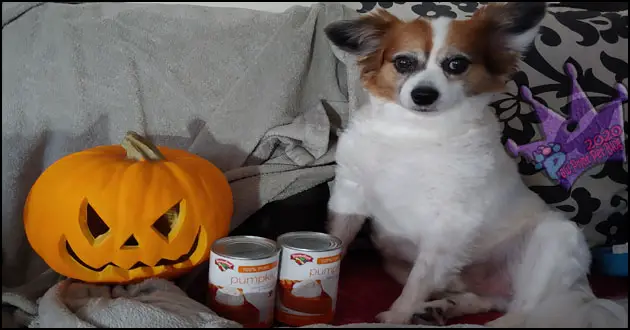
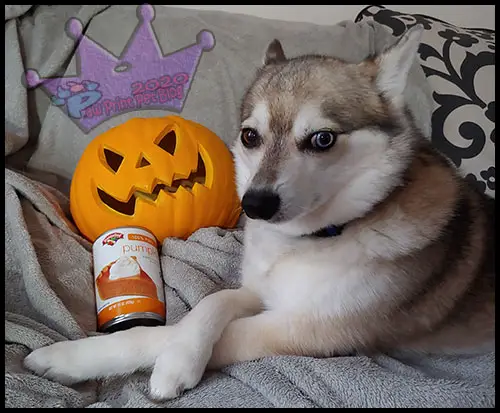
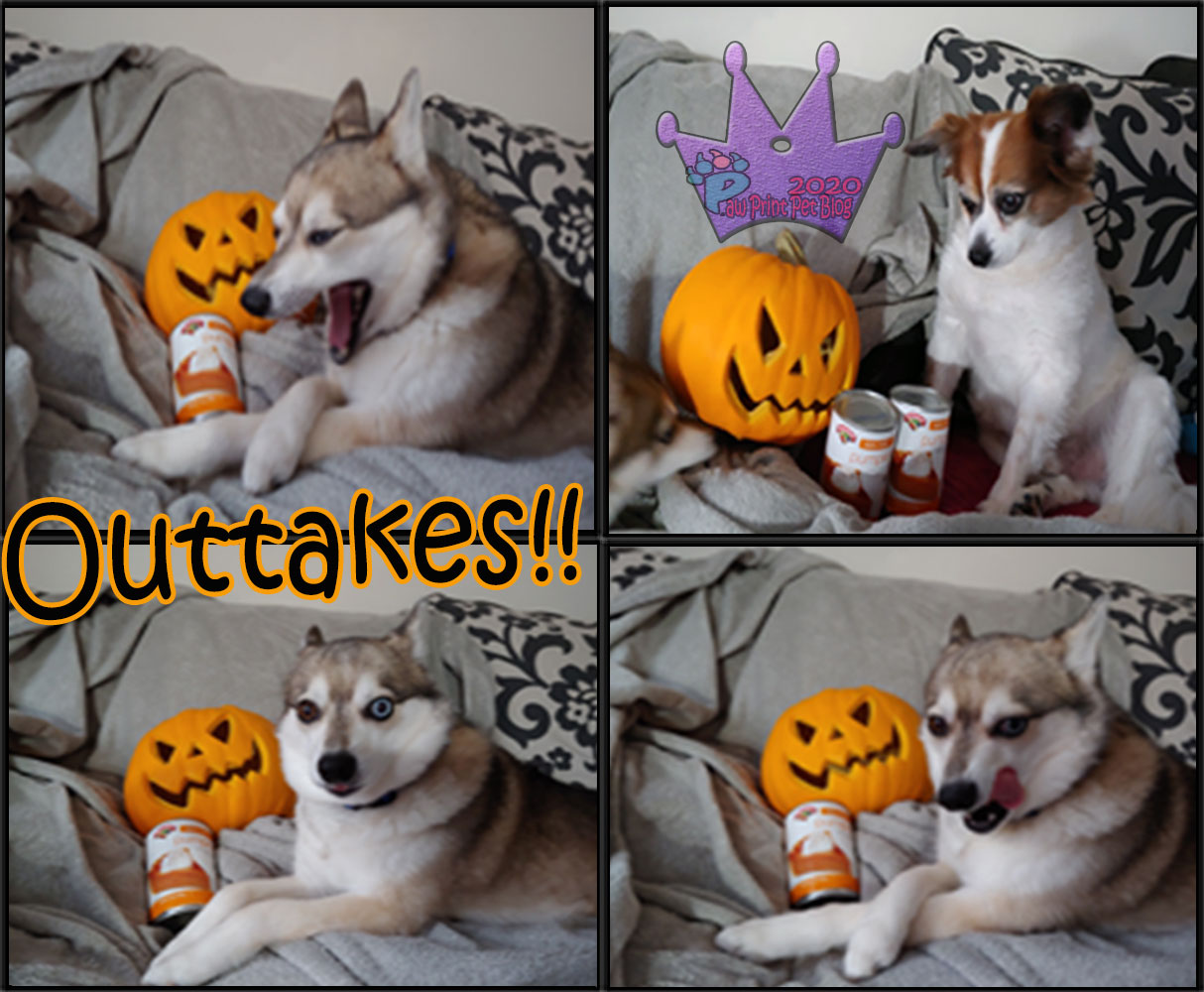
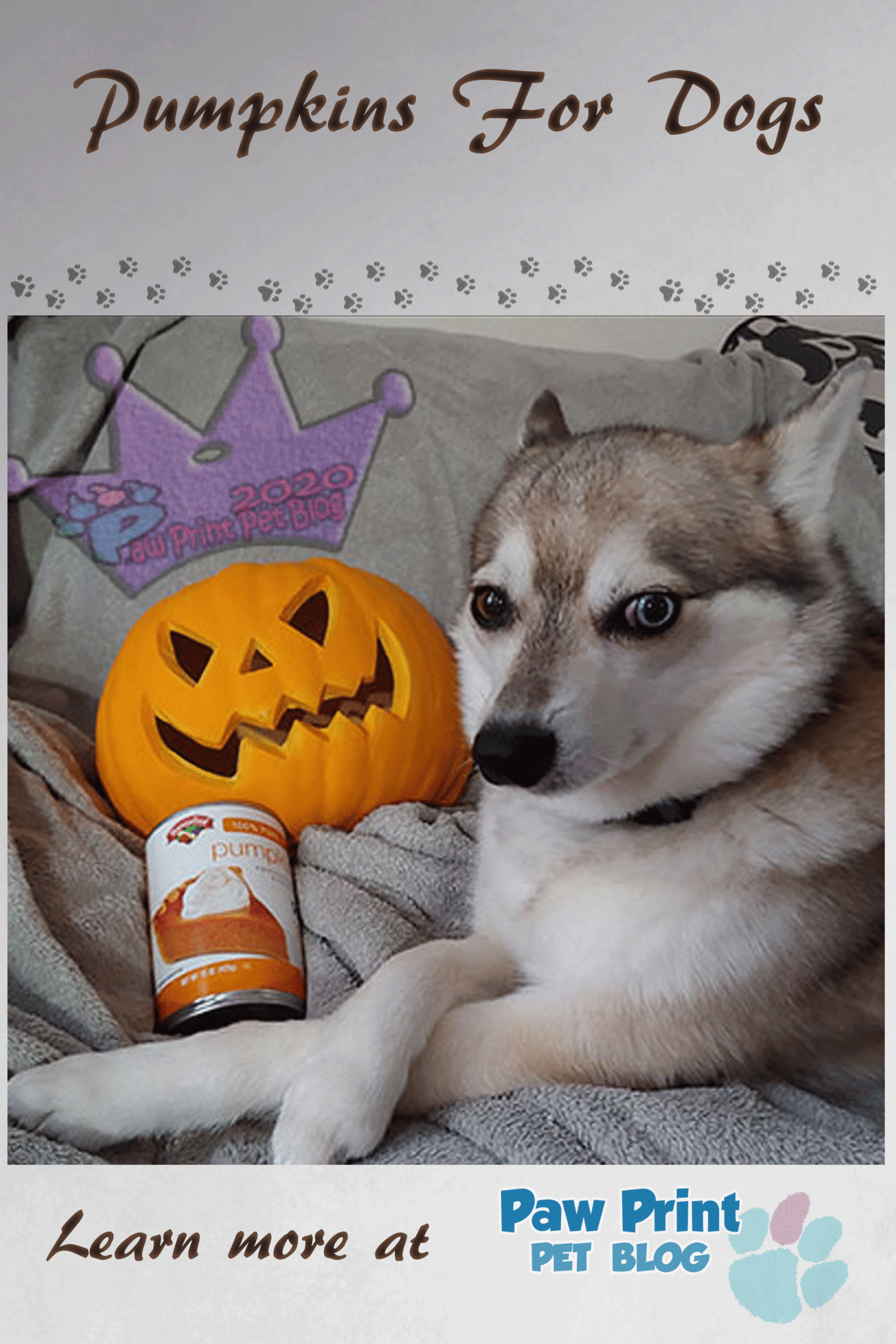
    Fall is right around the corner!  After an especially hot summer, I’m more than ready to usher in spooky season.  Even if you don’t celebrate Halloween, if your town is anything like ours you’ve been finding yourself starting to be surrounded by the symbols and decorations of the season.  Almost no other Halloween symbol is as widely recognized as the Jack O’Lantern.  Carving pumpkins is a lot of fun – but did you know that fresh (and plain canned) pumpkin can also be a beneficial addition to your dogs’ diet?

    dogs pumpkin

    Post Contents:

    • 1 Pumpkin for Pets!
    • 2 Nutrition of Pumpkins…
    • 3 Fat Fighting Properties…
    • 4 Preparing Pumpkin for Dogs

    Pumpkin for Pets!

    It’s true!  Pumpkins are high in fiber, making them a popular ‘go to’ home remedy for digestive issues such as diarrhea and constipation (Yes both!).   It’s good for both herbivores, such as rabbits, and carnivores, such as dogs and cats.  Many pets seem to enjoy the flavor of pureed pumpkin, and just a small amount mixed in with your pet’s regular food can be enough to help improve digestive upset.

    Pumpkins are composed of about 90% water.  Feeding an ill pet small amounts of pumpkin can be a great way to not only give them some much needed nutrients, but it can help prevent dehydration as well.

    Nutrition of Pumpkins…

    dogs pumpkinSpeaking of nutrients – Pumpkins are a good source of beta-carotene, potassium, iron, and Vitamin A.  These nutrients can help support general health, the immune system, and may even help to prevent some types of cancer!  Natural oils present in pumpkins are thought to help support urinary health.
    Fat Fighting Properties…

    Obesity can be just as problematic for pets as it is for people. The high fiber content in pumpkins means that it produces a full feeling when consumed.  If your dogs are on a diet, a small amounts of pumpkin mixed in with their regular food can help them feel full without consuming an excessive number of calories.  Pumpkins can even be used to make healthy, home cooked pet treats.

    Preparing Pumpkin for Dogs

    Now that you know some of the benefits of pumpkin in your pet’s diet, you might be wondering how to prepare it.  Fresh pumpkins can be cooked and pureed, or you can purchase canned 100% pumpkin puree.  Remember that pumpkin pie filling is not the same as plain canned pumpkin!  You’ll want to look for a brand that doesn’t have any added sugar, spices, preservatives, or other ingredients.  Pumpkin pie filling may taste great in a pie, but the added ingredients can cause stomach upset in pets.

    dogs pumpkin

    Comment below!  Do you feed your pet pumpkin?  What’s his/her favorite way to eat it?  I always keep a few cans of pumpkin around at our house.  It does seem to help when my dogs experience GI issues.  Especially around the fall holidays, I like to make my boys homemade treats that contain pumpkin.  It’s an easy, fun way to include them in our holiday celebrations while, at the same time, giving them something that’s potentially beneficial to their health!

    dogs pumpkin

    Dog Health

    Common Sugar Substitute Xylitol Is Deadly To Dogs

    September 7, 2022

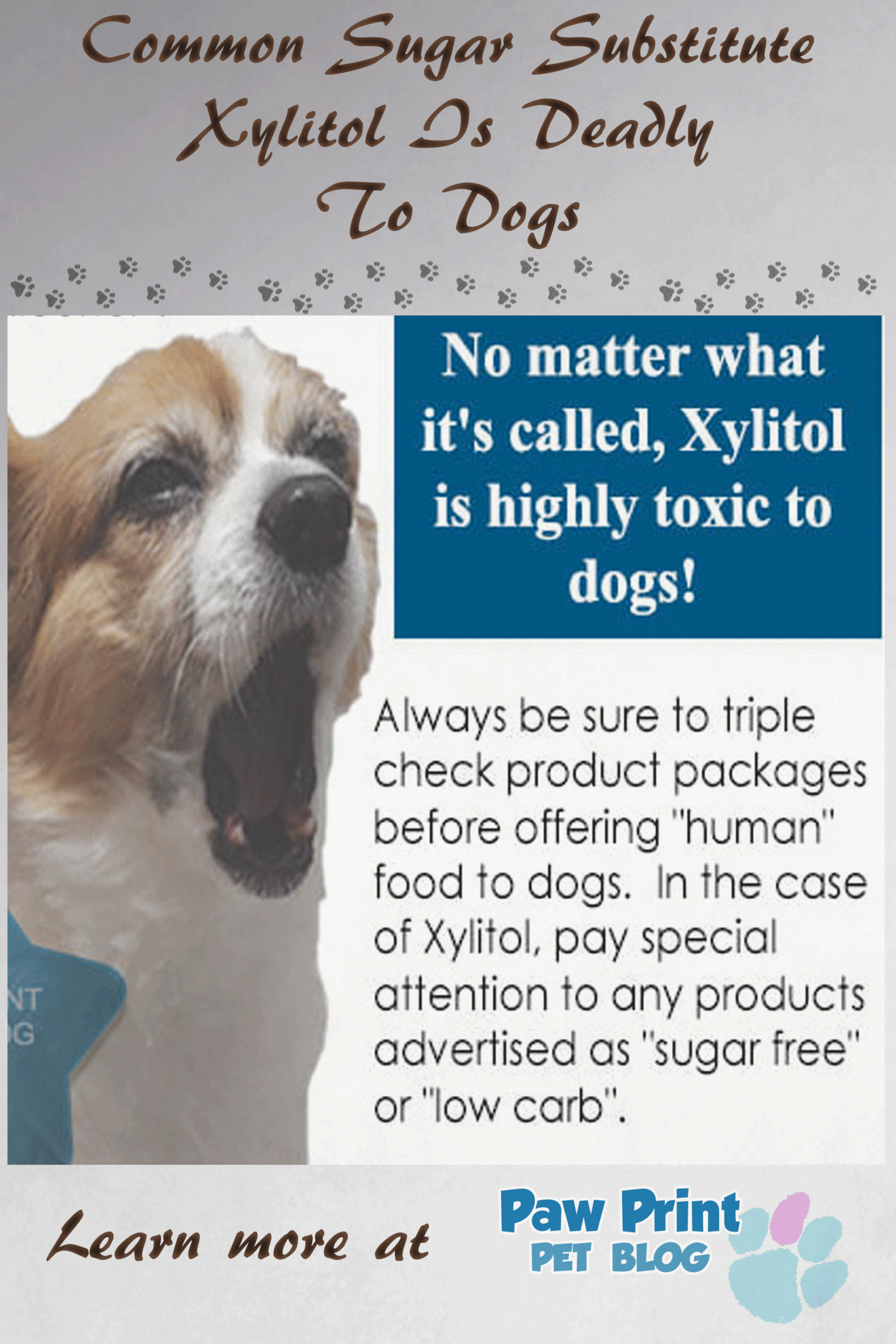
    Xylitol is a common sugar substitute that tastes like normal table sugar.  It has been used as a sugar replacement since the 1960’s.  It contains less calories than regular sugar, making it popular among dieters.  Xylitol is also commonly used as a sugar replacement for diabetics.  It is present in some oral hygiene products (such as toothpaste) because it is known to help fight tooth decay and repair tooth enamel.  All that sounds great right?  A sugar substitute that not only tastes like sugar, but contains less calories and can improve oral health?  However, pet owners (those with dogs especially) should be aware that, although safe for humans, Xylitol can be deadly to pets.

    What is Xylitol in?

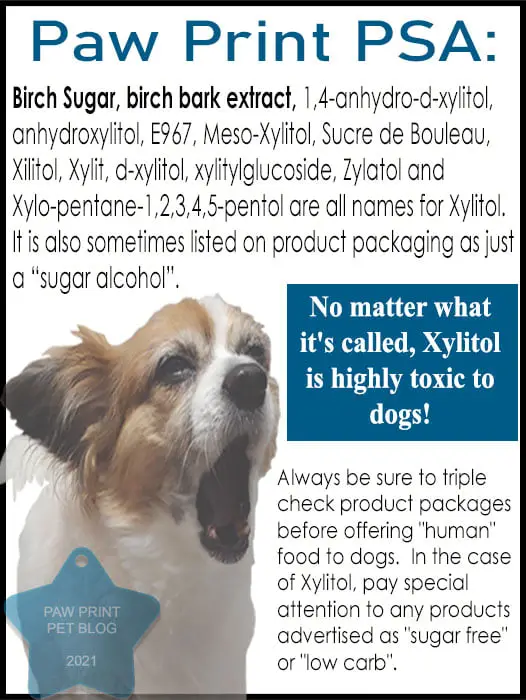
    Xylitol can be found in many types of products, including chewing gum, candy, chewable vitamins, cough drops, mints, mouthwash, toothpaste, and low-fat yogurt.  Look out for products that say they are sugar, or fat, free, as these types of products often include Xylitol rather than regular sugar.  Unfortunately recognizing what products contain Xylitol and which don’t can sometimes be a bit tricky.  It isn’t always listed plainly on ingredient lists.  Xylitol can be listed on ingredient lists under a number of different names, making it harder to quickly recognize when a product contains this deadly ingredient.

    Xylitol dogs

    Why is Xylitol bad for pets?

    When ingested by dogs, Xylitol causes a surge of insulin that can prove deadly.  It’s thought that as few as one or two pieces of Xylitol containing chewing gum could be deadly for a small dog.  Ingesting Xylitol causes dog’s blood sugar to drop rapidly, causing symptoms such as vomiting, weakness, loss of coordination, and seizures.  Symptoms can occur within 30 minutes after consuming Xylitol containing products, and can cause death quickly without treatment.  Xylitol is also believed to very rapidly cause liver damage/failure in dogs.  However, some animals show almost no symptoms until they are already very sick.

    Treatment for Xylitol poisoning usually includes hospitalization so that pets can be constantly monitored and administered fluids and glucose.  Fast and aggressive treatment is required for the best possible outcome.  Ideally, owners should seek veterinary advice before the onset of symptoms, if at all possible.

     How can you help prevent Xylitol poisoning?

    Xylitol is thought to be about 100 times more toxic to dogs than chocolate is.  Yet there are many owners who are unaware of the potential danger.  Help educate other pet owners about the dangers of Xylitol.  And make sure to keep all Xylitol containing products well out of reach of your pets.  Although death caused by Xylitol is documented mostly in dogs, it may also be toxic to other species such as cats and ferrets.

    In case of emergency, make sure you know how to reach your local emergency veterinarian.  Time is a factor when dealing with Xylitol poisoning, and you will be wasting precious minutes if you have to spend time searching for a vet.

    Xylitol dogs

    Alaskan Klee Kai

    How to Find an Alaskan Klee Kai in Rescue

    September 6, 2022

    A couple of weeks ago I posted our list of US based papillon rescues.  Ever since then I’ve been wanting to write a similar post about Alaskan Klee Kai (AKK).  My Alaskan Klee Kai, Fenrir, recently turned 7 years old!  I got him from a breeder when he was just a pup.  But I totally understand why some people may prefer checking rescues over going with a breeder.  The problem?  Because Alaskan klee kai are a newer breed, it can be hard to find one in a rescue/shelter.  There really aren’t a lot of breed specific rescues that cater to AKK.  In fact, I only know of one US based Alaskan klee kai rescue!

    Post Contents:

    • 1 Helpful Links
    • 2 A Newer Breed
    • 3 Alaskan Klee Kai National Rescue
    • 4 Other Ways to Rescue Alaskan Klee Kai
    • 5 Is that Really an AKK?
    • 6 Why are Alaskan Klee Kai Rare in Rescues?
    • 7 Hard, but Not Impossible

    Helpful Links

    • Alaskan Klee Kai Breed Profile
    • Alaskan Klee Kai Sizes
    • Do Alaskan Klee Kai Make Good Apartment Pets?

    A Newer Breed

    Alaskan klee kai rescueAlaskan klee kai have not been on the breed scene for very long.  The breed’s foundation can be tracked back to the 1970’s.  A breeder by the name of Linda Spurlin is credited as the original creator of the Alaskan klee kai.  Being so new, the Alaskan klee kai is actually not yet recognized by the American Kennel Club.  However, in 2020 they were accepted into the AKC’s Foundation Stock Service.  Alaskan klee kai are recognized by the United Kennel Club.  Read more about this breed’s history over on my Alaskan Klee Kai Breed Profile post!

    Alaskan Klee Kai National Rescue

    So far, the Alaskan Klee Kai National Rescue is the only US based rescue that works exclusively with Alaskan klee kai.  It was formed in 2008, and operates throughout the US with the help of reginal rescue coordinators.  On average, the Alaskan Klee Kai National Rescue only has a few Alaskan klee kai per year available for adoption.

    Other Ways to Rescue Alaskan Klee Kai

    One rescue, with only a few available dogs per year, may make it sound like it would be next to impossible to find an Alaskan klee kai for adoption.  There are, however, options out there for anyone determined to adopt an Alaskan klee kai!

    • Talk to local breeders: Breeders don’t only have available puppies.  Many AKK breeders will occasionally have adult dogs available for adoption.  Usually these will either be retired show and/or breeding dogs.  Some will be pets that owners could not keep anymore and returned to the breeder.  This can be a great way to get an adult dog, if you’re specifically looking to avoid the crazy puppy stage.  You can check out the Alaskan Klee Kai Association of America to find a breeder.  Breeders on this list must follow strict codes of ethics.
    • Use Petfinder.com: I ran a quick search on Petfinder.com, and it came up with a list of 12 Alaskan klee kai, or AKK mixes, currently available for adoption!
    • Check your local rescues/shelters: Hey, you never know!  Many local rescues, if they don’t have a dog that meets your needs, will take down your information and contact you if a dog that matches what you’re looking for turns up.
    • Check local husky rescues: Believe it or not, I’ve seen more AKK available for adoption through a local, to me, husky rescue that I follow than I’ve seen posted on the Alaskan Klee Kai National Rescue site!  Many husky rescues seem happy to branch out a bit and also help Alaskan klee kai in need!

    Is that Really an AKK?

    Alaskan klee kai rescueIn recent years, sadly, backyard breeders have gotten their paws on Alaskan klee kai.  Backyard breeders, and sometimes well meaning rescues, tend to label any husky like dog that’s on the smaller side as an Alaskan klee kai, even if it isn’t one.  Some of these dogs are Alaskan klee kai mixes, or poorly bred Alaskan klee kai.  Others are small husky mixes, etc.  Buying a dog from a breeder and not actually getting the breed you paid for is wrong on a lot of levels.  It’s SO important to learn how to recognize and avoid backyard breeders.
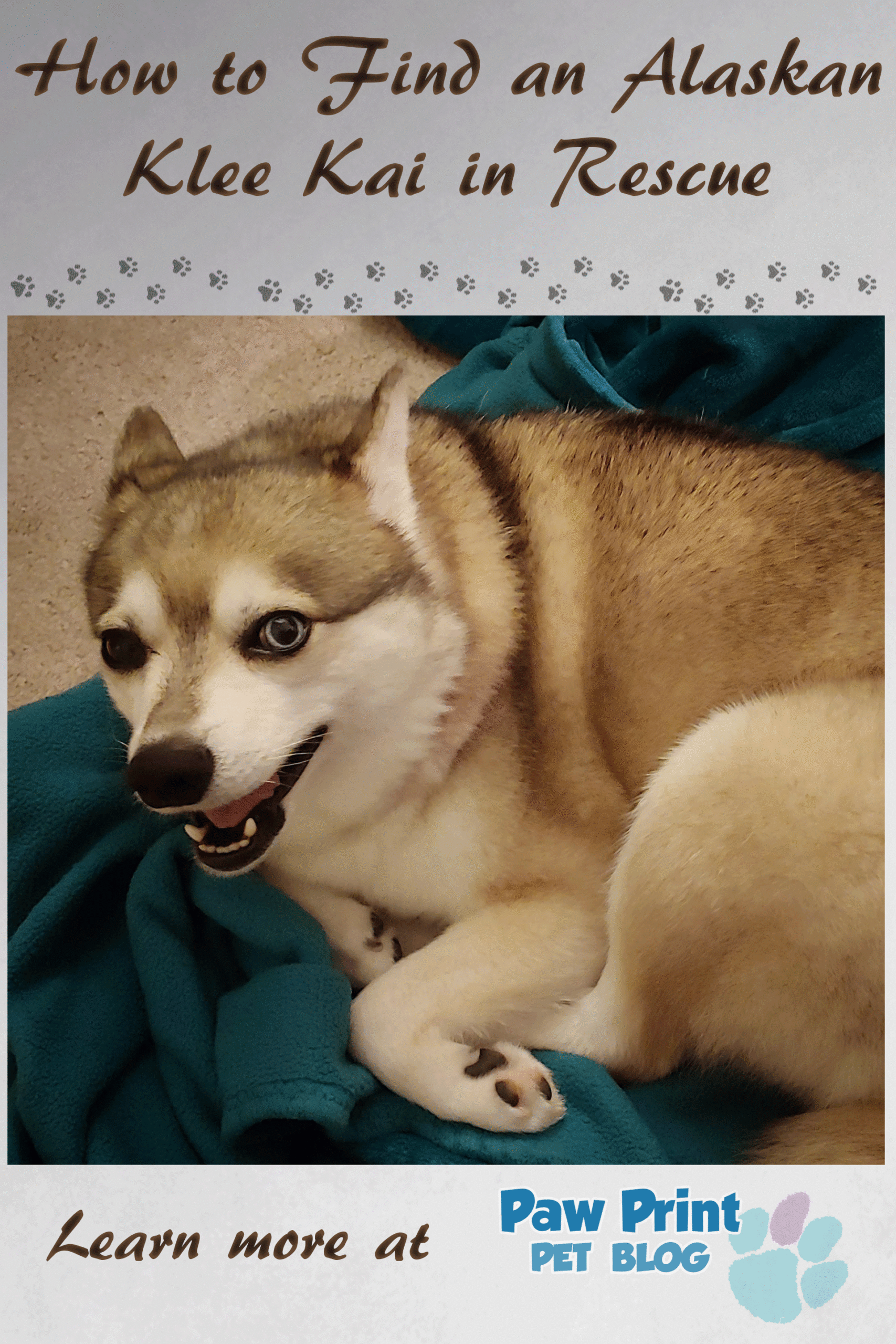
    But if you’re getting a dog from a rescue, especially an adult dog with an already established personality, I’d argue that it doesn’t matter so much if the dog you adopt is truly a purebred or not.  Recues don’t always have the funds to DNA test every dog that walks through their doors.  They do the best they can when it comes to guessing a dog’s breed.

    Most people don’t seem to know much about Alaskan klee kai, other than the fact that they look like tiny huskies.  It’s kind of understandable why any dog that looks like a tiny husky gets labeled as an AKK, even when it isn’t one.  If you get a dog of unknown origin that you suspect might be an AKK or an AKK mix, a DNA test can help identify your dog’s breed(s).   Knowing this information can be helpful.  But, at the end of the day, if the shelter dog you adopted fits in well with your family it shouldn’t matter too much what breed he/she is.

    Why are Alaskan Klee Kai Rare in Rescues?

    Alaskan klee kai are a heavily guarded breed.  Responsible breeders are held to high standards and are careful about selecting the perfect families for their dogs.  Responsible breeders of this breed have contracts that say that when/if a new owner can no longer keep their AKK, he/she must be returned to the breeder.  This is so the breeder can then find another good home for that dog.  AKK can be challenging dogs to work with.  Breeders know this, and they are familiar with what it takes to find loving homes who can take on that challenge.  Breeders don’t want to see dogs they created end up in shelters any more than anyone else does!

    The diligence of responsible breeders, along with the fact that this breed is relatively new and not super well known yet, means that you won’t find well bred AKK filling up shelters.  AKK owners themselves are a somewhat close knit bunch too, with an extreme passion for their chosen breed.  Usually, when an AKK does show up in rescue, the AKK community doesn’t waste any time getting that dog to safety!

    Hard, but Not Impossible

    Finding an AKK in rescue won’t be as easy as finding some of your more common breeds.  That doesn’t mean it’s an impossible task.  This is a breed that, no matter what, you will need some patience to acquire.  For the right families, they are amazing little dogs that are well worth the time and effort it takes to find the perfect one for you!

    Comment below!  If you have an Alaskan klee kai, where did you get him/her?  If you are currently looking for an AKK to adopt, how has your search been going so far?

    Alaskan klee kai rescue

    Dog Health, Pet Tips

    Tips for Selecting a Veterinarian

    September 5, 2022

    Because we’ve moved around quite a bit in the last handful of years, I’ve had to switch what vet I take my two dogs, Kitsune and Fenrir, too.  It can be a bit of a stressful process, for me at least.  Making sure that you select the right veterinarian for your specific pets, and for you, is really important.  What do you look for when selecting a veterinarian?  In my search, these are some of the factors I took into account…

    Post Contents:

    • 1 Location
    • 2 Is the practice AAHA accredited?
    • 3 Is the practice certified fear free?
    • 4 Hours
    • 5 Payment Options
    • 6 Services/equipment
    • 7 Accessibility
    • 8 Facility Conditions
    • 9 Philosophies
    • 10 Interaction
    • 11 Are emergency services available?

    Location

    We moved from the big city to a very small town.  Before, we had multiple different vet offices in the city we lived in.  Now, we don’t have a single vet that’s located in the town we live in.  Location is an important consideration when it comes to selecting a vet for your pets.  You want to live close enough to your vet’s clinic that it isn’t a huge hassle to get your pet in for regular exams or, god forbid, for an emergency appointment.

    Is the practice AAHA accredited?

    AAHA is the American Animal Hospital Association.  While a veterinarian doesn’t necessarily have to be AAHA accredited to be an awesome vet, accreditation does ensure compliance to at least a basic level of standards.

    Is the practice certified fear free?

    select veterinarianEver since going to our first certified fear free vet practice, this is something I specifically look for when faced with having to select a new veterinarian.  Vets that are certified fear free look out not only for your pet’s physical health, but their mental health as well!  Both of my dogs tend to get nervous when visiting the vet, but the fear free vet practice I take them too goes above and beyond to try to make their visits stress free.

    Hours

    The best vet in the world isn’t going to do you much good if they are closed on the only days you have off.  Some vet clinics have extended hours on certain days of the week, or longer weekend hours, to accommodate pet owners who work regular hours.

    Payment Options

    Make sure the vet you select accepts your preferred form of payment.  These days I pay my vet bills either with cash, check, or by credit card.  However there was a time when I paid most of my vet bills with my Care Credit card, and not all veterinarians accept Care Credit.  If you have pet insurance you may need to select a vet who accepts your insurance plan.

    Services/equipment

    select veterinarianNot all vets will be able to preform all medical services.  It’s important to me to select a vet who can preform surgery at their clinic.  If my dogs ever needed surgery or a specialized procedure, I’d prefer to have it done with a vet who is familiar with them rather than having to be referred to a vet we’ve never been too before.  It’s one thing, and understandable, to require a specialist for a specific condition.  But I prefer to select veterinarians who can, at least, preform simple surgeries in their clinics.

    Accessibility

    I can be a paranoid pet owner at time, and I want to select a vet who won’t mind me calling in with questions from time to time.  I also want to know that, in instances when my dog has to stay at the clinic without me, that he’ll be monitored and that someone will be available to talk to me when I call for updates.

    Facility Conditions

    This one seems kind of common sense.  But you want to make sure the facilities at the vet you select are kept clean.  I worry that if clinic staff can’t be bothered to keep all areas clean, what does that say about how they are going to care for my best friend.  Plus, a dirty medical facility is just gross and increases the chances of diseases spreading.

    Philosophies

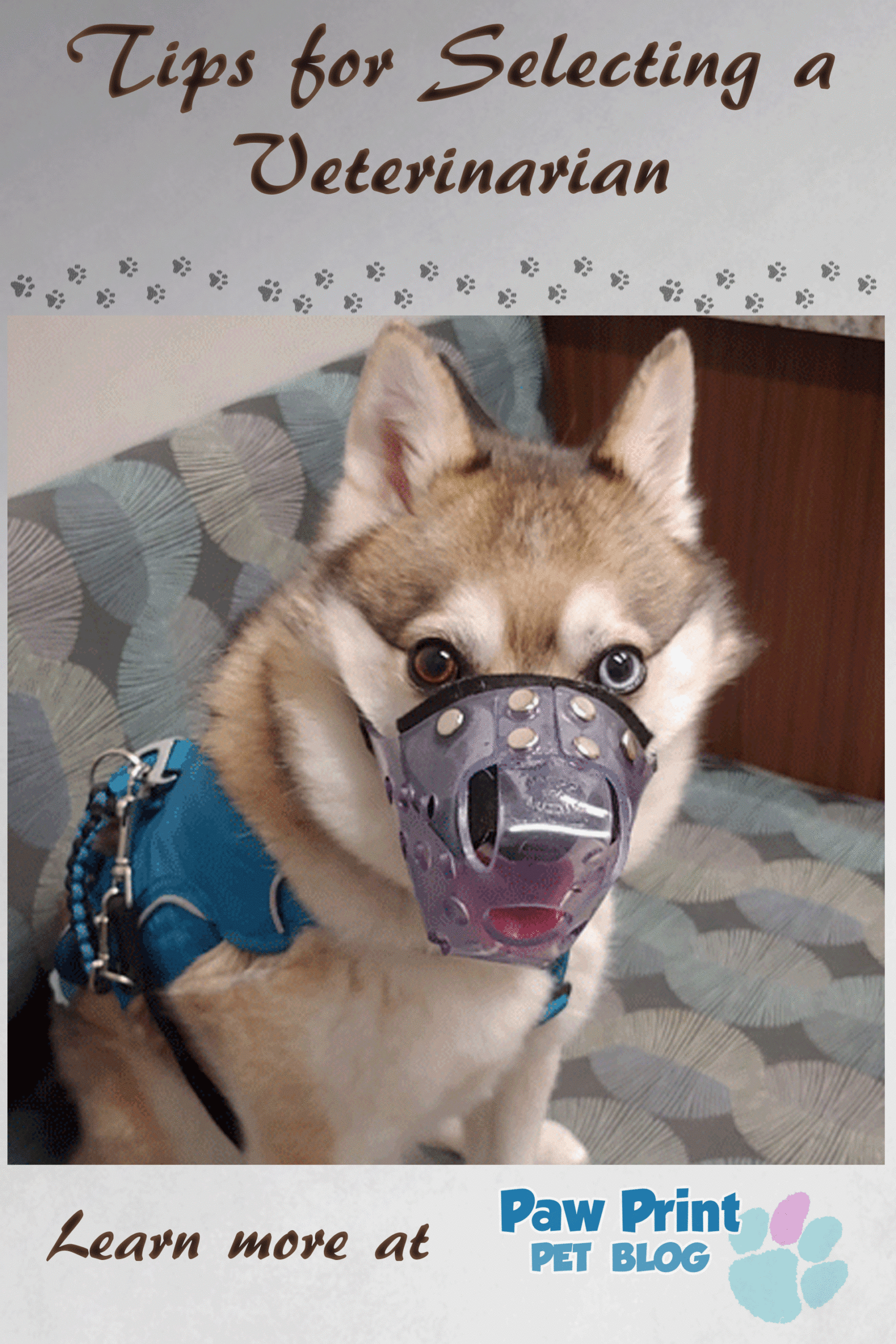
    select veterinarianThis is a big one for me.  I feed my dogs a biologically appropriate diet, and keep them on minimal vaccine schedules.  I don’t want to have to argue with my vet about unnecessary vaccinations, or be pressured about putting them on a certain food.  Ask your potential new vet plenty of questions to make sure that you’re comfortable with their philosophies.


    Interaction

    It’s important that you’re comfortable with not only how your vet interacts with your pet, but with you as well.  You should be comfortable speaking openly with your vet as well as confident that they will handle your pet with respect.  This extends to clinic staff and vet techs as well.

    Are emergency services available?

    Not all vets are available at all hours for emergency services.  This isn’t necessarily a reason to write off selecting that vet.  But make sure you are aware of whether or not your vet preforms emergency services.  If they do not, you’ll also have to select an emergency clinic where you can take your pet in case of emergency.

    Looks like a tall order right?  But selecting a vet you’re comfortable with is important- your pet’s life could literally be in their hands.  Comment below, are there any factors I didn’t list that influence what vet you selected for your pet?

    select veterinarian

    Dog Health

    Grapes and Raisins are Toxic to Dogs

    September 4, 2022

    66

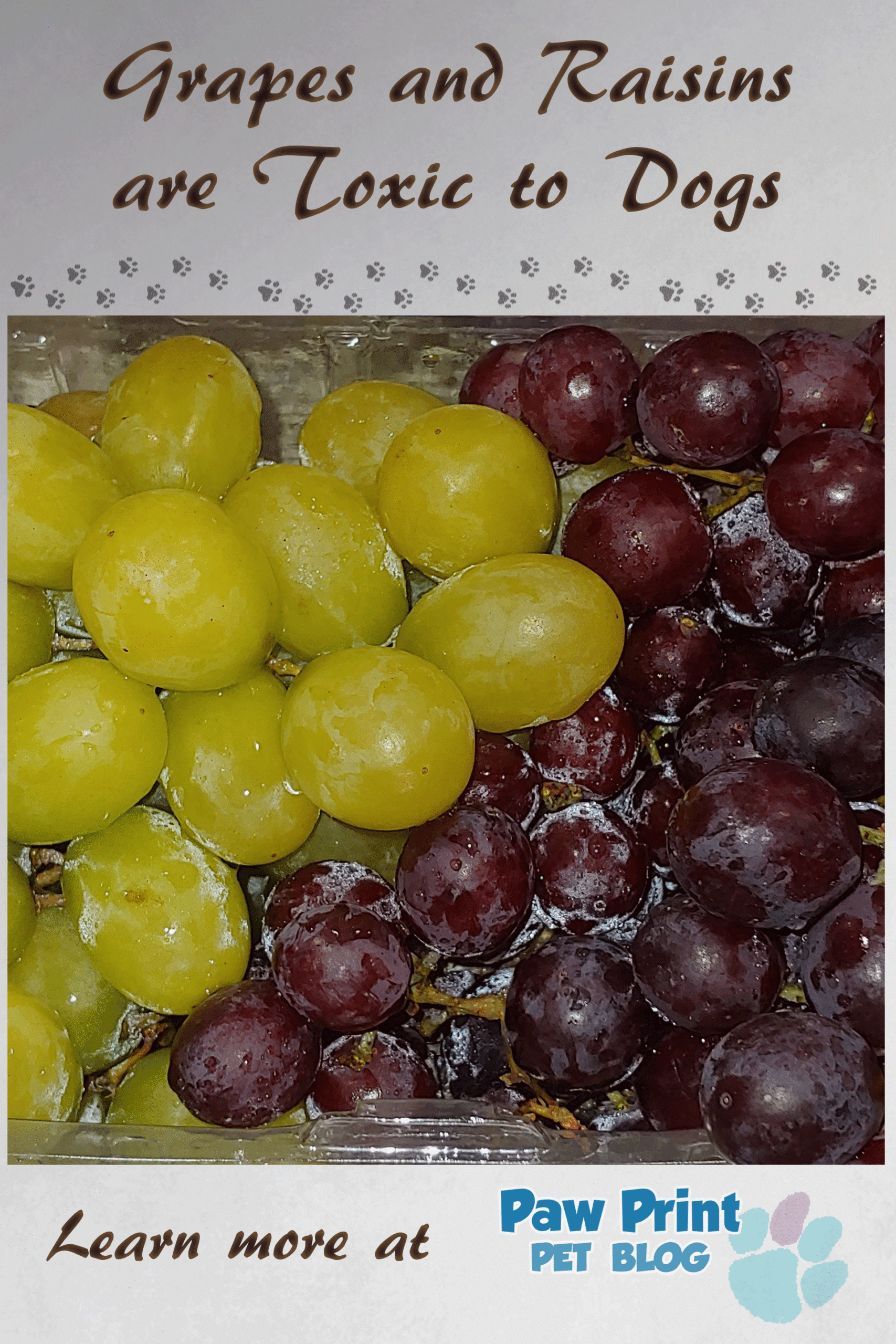
    Many owners will, on occasion, share a small tidbit of human food with their canine companions. But it’s important to make sure that you are aware of what foods are safe, and which ones can potentially be dangerous. Grapes and raisins are highly toxic to dogs, and at certain concentrations can even be fatal.

    Post Contents:

    • 1 Why Can’t Dogs Eat Grapes and Raisins?
    • 2 What Happens if Dogs Eat Grapes or Raisins?
    • 3 How Many Grapes or Raisins Do Dogs Have to Eat to be Toxic?
    • 4 What to Do if Your Dog Eats a Raisin or Grape
    • 5 Prevention is the Best Medicine!

    Why Can’t Dogs Eat Grapes and Raisins?

    grapes raisins dogs

    Watermelon, unlike grapes, is dog safe!

    It’s still unknown what, exactly, is in grapes and raisins that is so bad for dogs.  The most current theory suggests that tartaric acid and potassium bitartrate are to blame, although further research is still ongoing.

    What Happens if Dogs Eat Grapes or Raisins?

    There have been cases where dogs were poisoned after eating grapes or raisins, and in some instances the fruits have proven fatal. The dogs ultimately experienced kidney failure, but first display classic signs of poisoning such as acting lethargic, vomiting, and diarrhea. These symptoms may start as soon as a few hours after your dog eats grapes or raisins. More advanced symptoms can include food refusal, abdominal pain, and increased thirst. Severe symptoms can sometimes take as long as 24 to 48 hours to appear.

    How Many Grapes or Raisins Do Dogs Have to Eat to be Toxic?

    The toxic dose of grapes is not well established, but the ASPCA Animal Poison Control Center suggests that a dose of 0.1 oz/kg can be toxic. Going by this, around 12 to 15 grapes would potentially be deadly to a 15lb dog. Raisins are even more concentrated than grapes, making ingesting fewer of them dangerous.  However, other sources state that ingesting any, even a very small, amount of either grapes or raisins could cause toxicity in some dogs.

    What to Do if Your Dog Eats a Raisin or Grape

    Contact your vet, or an emergency vet, right away if your dog consumes grapes or raisins.  They will most likely recommend that either they, or you, induce vomiting, as long as too much time has not passed.  They may want to administer activated charcoal, and supportive care.  There, unfortunately, is not currently an antidote to grape and raisin toxicity for dogs.  Your vet will most likely want to closely monitor and support your dog’s kidneys if they ingest either grapes or raisins.

    Prevention is the Best Medicine!

    If you regularly share your food with your dogs always make sure that all foods, and ingredients, are dog safe first.  The other day Kit kept trying to lick fruit juice out of my cup.  Not really a huge deal, but I wanted to check the ingredient list before letting him have a taste.  I was more looking to see if it had a lot of sugar or the potentially deadly (to pets) sugar substitute xylitol.  While that wasn’t the case, I did notice that the juice contained grapes.  I’m glad I checked.  It’s always better to be safe than sorry!  I enjoyed the juice and gave Kit a more appropriate treat.

    If your dog experiences any symptoms of poisoning, or you suspect your dog may have eaten either grapes or raisins, it’s important to call your vet. The sooner the problem is dealt with, the more likely you are to avoid damaging your pets delicate kidneys.

    grapes raisins dogs

Older Posts
Newer Posts
It's a beautiful day to play ball in the snow ❄️ It's a beautiful day to play ball in the snow ❄️
Today would have been Kit's 17th birthday. My best Today would have been Kit's 17th birthday. My best buddy...not a single day goes by that I don't think of him. Forever a beloved member of our little pack ❤️
Someone stole his dad's socks 😂 10 years old and s Someone stole his dad's socks 😂 10 years old and still as mischievous as a pup!  This little one makes me laugh everyday and I'm SO thankful for him. 💙
New phone, who dis!? 😅 Sorry for the lack of new New phone, who dis!? 😅 
Sorry for the lack of new Fen pics lately... My old phone broke and it took me awhile to replace it. 
Fen is his happy, sassy, playful self and is doing well. 💙
Fen makes me laugh so much! Today is my partner's Fen makes me laugh so much! Today is my partner's birthday. ❤️ I almost always wake up earlier than him, so this morning I was planning on getting up to decorate for his birthday. I wanted to surprise him with decorations and his presents set out when he got up.

Well...Fenrir ruined it all, because as soon as he saw the wrapped presents for my partner, he got SO excited! And if you have ever had the pleasure of meeting an Alaskan Klee Kai you will know, when they get excited, they just have to make sure everyone knows about it!

Long story slightly shorter, Fen woke my partner up early, on his birthday, all because Fen REALLY wanted to open presents that weren't even for him! I didn't get to decorate, but lesson learned - don't put gifts where Fen can see them because he will get really, really excited about it.

And just so you all don't feel too bad for him...I ended up wrapping one of Fen's Christmas presents and giving it to him to open early! 🤣
Follow on Instagram
Facebook Instagram Pinterest Youtube

Copyright © 2025 Paw Print Pet Blog. All Rights Reserved.

Back to top