This post contains the simple recipe for turmeric treats that I use to supplement my senior dog, Kitsune!
I recently wrote a couple of blog posts about Turmeric, including this one about the benefits of feeding turmeric to dogs, and this one about how to make golden paste for dogs. I mentioned in our golden paste post that I was giving my senior papillon, Kitsune, turmeric but I had to stop recently when he was put on steroids to help treat IVDD. Thankfully he’s been off of steroids for over a month now. Kit had (yet another) follow-up visit with his vet recently. We were given the go-ahead to start supplementing him with turmeric again. I give it to him to help with his arthritis and mild GI issues.
Post Contents:
Why Turmeric Treats?
When I first decided to try turmeric for Kitsune I started by mixing it into his regular food. Kit is OBSESSED with food. While Kit was still eating his food with the turmeric mixed in, I could tell he wasn’t as excited about his food as he usually is. Not wanting to decrease his enthusiasm for his regular meals, I started making him these very simple turmeric treats instead.
I start out by making Golden Paste.
Here’s my more in-depth post about that process. On its own, turmeric is hard for dogs’ bodies to absorb. When it’s mixed with black pepper and a source of fat (I use coconut oil), it becomes much more bioavailable.
Just a quick note – Some of the photos in this post are from 2016. However, this post text was last updated on 12/6 /2022.
Here’s a quick rundown of the ingredients in golden paste:
- 1/2 cup high-quality turmeric powder
- 1 cup of water
- 1/4 cup coconut oil
- 1 1/2 – 2 teaspoons ground black pepper
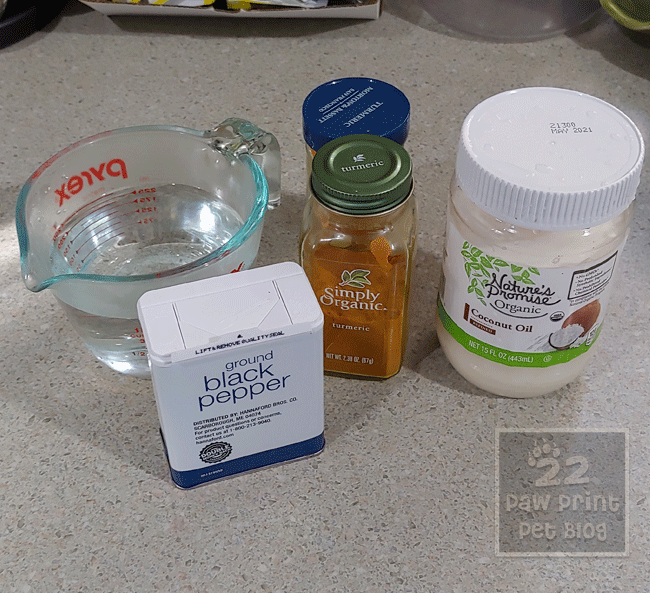
Mix all the ingredients together and put over low heat. I don’t set a timer for my Golden Paste, but instead mix continuously until I get the desired texture. It shouldn’t take too long, a few minutes or so, for the mixture to start becoming thicker and looking more uniform.

Time to make Turmeric Treats!
The treats I make for Kit are very simple. I just use equal parts Golden Paste and ground beef. I usually use a half a cup of each. Any extra Golden Paste can be stored in the refrigerator for up to 2 weeks. It can be kept in the freezer for up to 6 months.
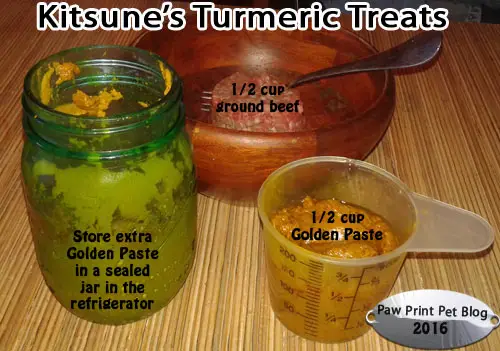
I use a blender to mix the Golden Paste and beef together. Hand mixing would be fine too. For dosing accuracy you want to make sure the ingredients are mixed together very well. The dosage of Golden Paste that I use for Kitsune is 1/4 a teaspoon per 10 lbs. Kitsune is 20 lbs so he needs 1/2 a teaspoon of Golden Paste a day. The effects of turmeric don’t last super long, as it leaves the body quickly. Because of this, I like to split Kit’s dosage in half. I give him 1/4th of a teaspoon with his breakfast, and the other 1/4th with his dinner.
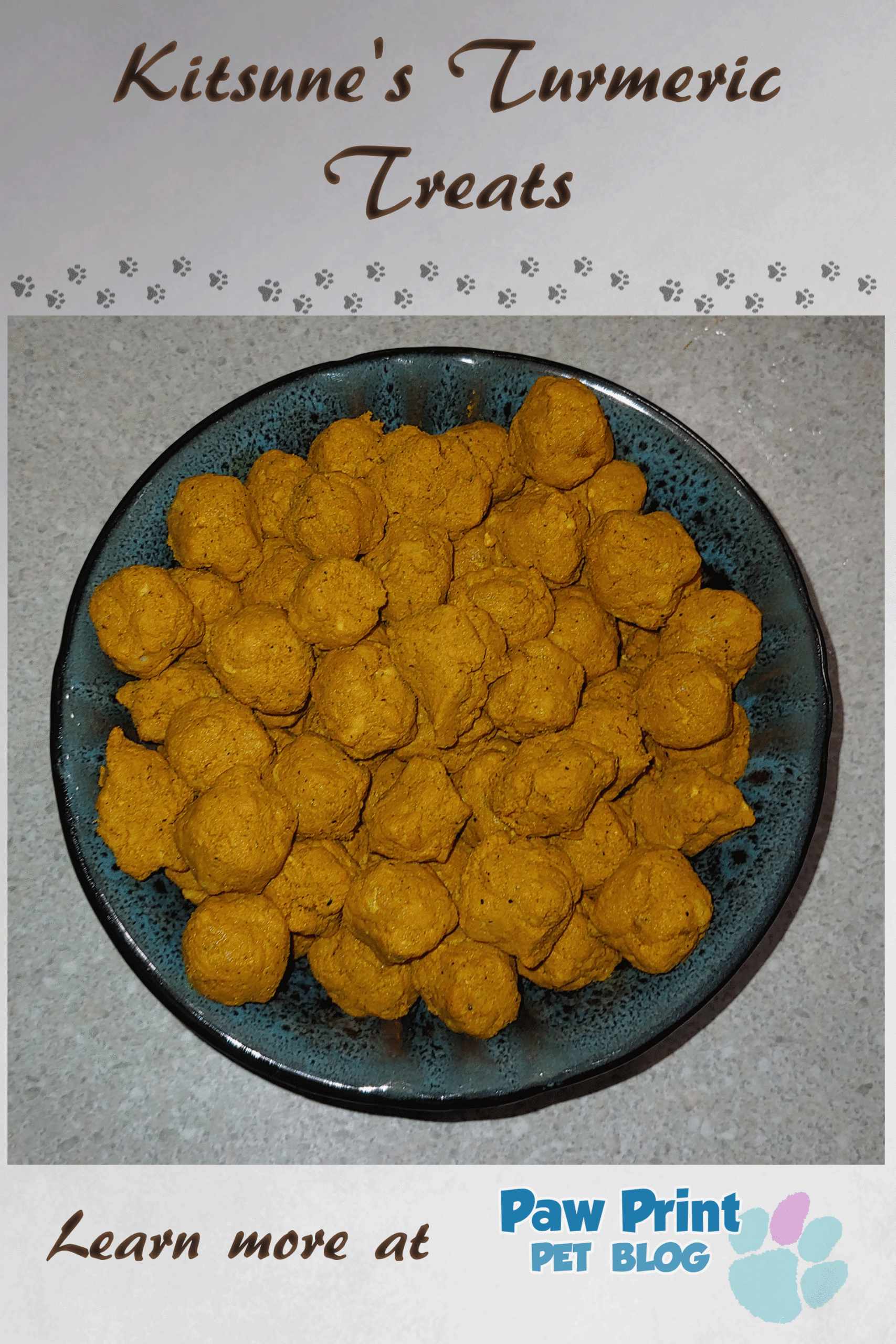
For Kit’s treats, after they are well mixed, I use measuring spoons to make 1/2 teaspoon balls. As long as you mixed well each 1/2 tsp ball will contain 1/4 a teaspoon of Golden Paste and 1/4 a teaspoon of ground beef. So Kit, at 20 lbs, gets two of his turmeric treats per day.
A Note on Dosage
The standard dosage of 1/4th of a teaspoon of turmeric per 10lbs of body weight has always worked well for Kitsune. Turmeric can sometimes cause stomach upset, especially when first offered. It’s a good idea to introduce it into your dog’s diet slowly. With Kitsune, I started out with just 1/4th a teaspoon a day. I then increased to the full 1/2 of a teaspoon per day (because Kit weighs 20 lbs). If your dog has a sensitive stomach, consider starting with an even lower dose.
Signs that may indicated that you’re giving your dog too much turmeric, or that you started with too high of a dose for them, can include diarrhea, upset stomach, or constipation. If your dog displays any of these symptoms it’s a good idea to back off a bit and decrease your dog’s dosage. Although 1/4th of a teaspoon per every 10lbs is the typical turmeric dosage, finding the “perfect” dose for your dog may take a bit of trial and error.
Turmeric does have some health contradictions, so it’s always a good idea to discus any new supplements with your vet. Notably, turmeric should not be offered to dogs who are on certain medications, including anti-inflammatories and diabetes medications. It is also not recommended for dogs on blood thinners or who have scheduled surgeries. This is because turmeric can act as a natural blood thinner. Turmeric, especially in too high of a dose, can cause GI upset. It should also be avoided for dogs who are prone to developing kidney stones.
Raw Verses Cooked
I normally don’t cook our turmeric treats. Once I create the 1/2 tsp balls I set them on a baking sheet in the freezer until they freeze solid. Once they freeze, I move them to a Tupperware container or Ziplock bag and keep them in the freezer.
Since I know not everyone is comfortable feeding raw meat to their dogs, I decided to try cooking some of the turmeric balls to see what happened. I just placed the 1/2 tsp balls on a clean baking sheet (no need to add oil to prevent sticking since the treats already contain a good amount of coconut oil) and cooked them at low heat (150*F) for 20 minutes. The treats came out a nice golden brown color, and stayed pretty soft. Here’s a picture to show the difference between the treats I froze and the ones I baked.

The frozen treats look bigger because the baked treats did loose some of their liquid (including the coconut oil) while cooking. There was quite a bit of coconut oil on the bottom of my baking sheet when the treats were done. This leads me to believe that if you are concerned about keeping the proportions of coconut oil stable the frozen treats would be better.
Does Cooking Turmeric impact it’s Effectiveness?
I did a bit of research on whether or not cooking turmeric in this way decreases it’s benefits at all and came across this article. It’s rather long but points to note are that the oil and water used to create Golden Paste help to protect the active ingredients in turmeric from degrading. While cooking has been shown to break down the active ingredients in Golden Paste, the good news is that the particles the ingredients are broken down into work just as well, if not better, than the original ingredients. Take a look at the article I linked to above for more information. It explains this concept a lot better than I do!
Turmeric Treats Storage
Whether I bake them or keep them raw, I store Kitsune’s turmeric treats in the freezer. No need to thaw, when I feed Kit I just take a treat out of the freezer and add it to his dish. Turmeric is safe to store frozen for up to 6 months. That’s decreased to just 2 weeks if it’s stored in the refrigerator. However, since these treats also contain meat I wouldn’t personally feel comfortable storing them in the refrigerator for more than a few days. If your dog doesn’t like to eat these treats frozen, you could still store them in the freezer and just take out a couple at a time to thaw before offering them to your furry best friend.
Kit loves his daily meat balls!
Simple as they are, Kitsune eats these turmeric treats readily. When I first made them I was worried that he wouldn’t like them. Like I wrote above, Kit didn’t seem to like it when I mixed turmeric in with his regular food. For whatever reason, though, he really likes these treats!
If you try using turmeric for your dog, my last suggestion would be to give it some time before you evaluate whether or not it’s working. When I first started using turmeric for Kitsune, it took about a week before I could start to tell that it was helping him.
Comment below! Have you ever tried turmeric for any of your pets? Did you see any benefits from it? How do you feed it to your pets?
Please remember to talk to your pet’s vet before starting any new supplement, especially if your furry friend is experiencing any health issues.
 Exercise Pets During Daylight Hours:
 Distraction:


 I think I wrote recently about how busy I get especially around this time of the year. For a while now I’ve been working on a couple of different projects for work, all of which get very busy during the lead-up to the fall/winter holidays. I’ve been taking on as many extra hours at work as I can. For the last couple of weeks especially I’ve found it a bit of a struggle to keep up with my writing/blogging after spending so much time in front of the computer screen for work. Of course, besides boring stuff like working and blogging, I always make sure I spend time caring for my puppy loves and my partner. Spending dedicated time with them each day makes my heart so happy.
 One thing that I’ve always felt made a huge difference in how clean my house stays is the fact that I groom my two dogs often! Our grooming/bath schedule has morphed a bit throughout the years. I currently bathe Kit and Fen each every other week. Did you know that as long as you are using high quality products,




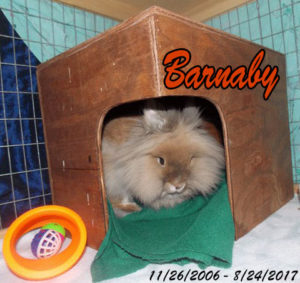 I used to be quite active in rabbit rescue, and for many years shared my life with house rabbits in addition to my current dogs. After my last house bunny, Barnaby, passed away in 2017 I decided to take a break from keeping rabbits. But still, I stayed in a handful of rabbit-themed FB groups. It made for quite an interesting FB feed, being deeply involved with both a predator species (dogs) and prey (rabbits). I joined a number of raw feeding groups for my dogs. It became strangely commonplace to scroll down my FB feed and see pictures of adorable pet rabbits nestled in between posts about people discussing feeding rabbits to their dogs.
 Is there a line? Are there things about your own pet that you would feel uncomfortable sharing on social media? Or that you would disapprove of if you saw being shared by someone else? Surely our pets don’t care one way or the other.
 In the last couple of months, we’ve had to disrupt our work schedules to make emergency vet trips. We’ve spent way more money than we planned on the dogs. I’ve had my sleep interrupted more times than I care to count. I had to set multiple timers on my phone to remind me to give Kit, and for a short time Fen, medications at the correct times. Kitsune’s Cushing’s symptoms mean I have to stop whatever I’m doing many times a day to bring him outside.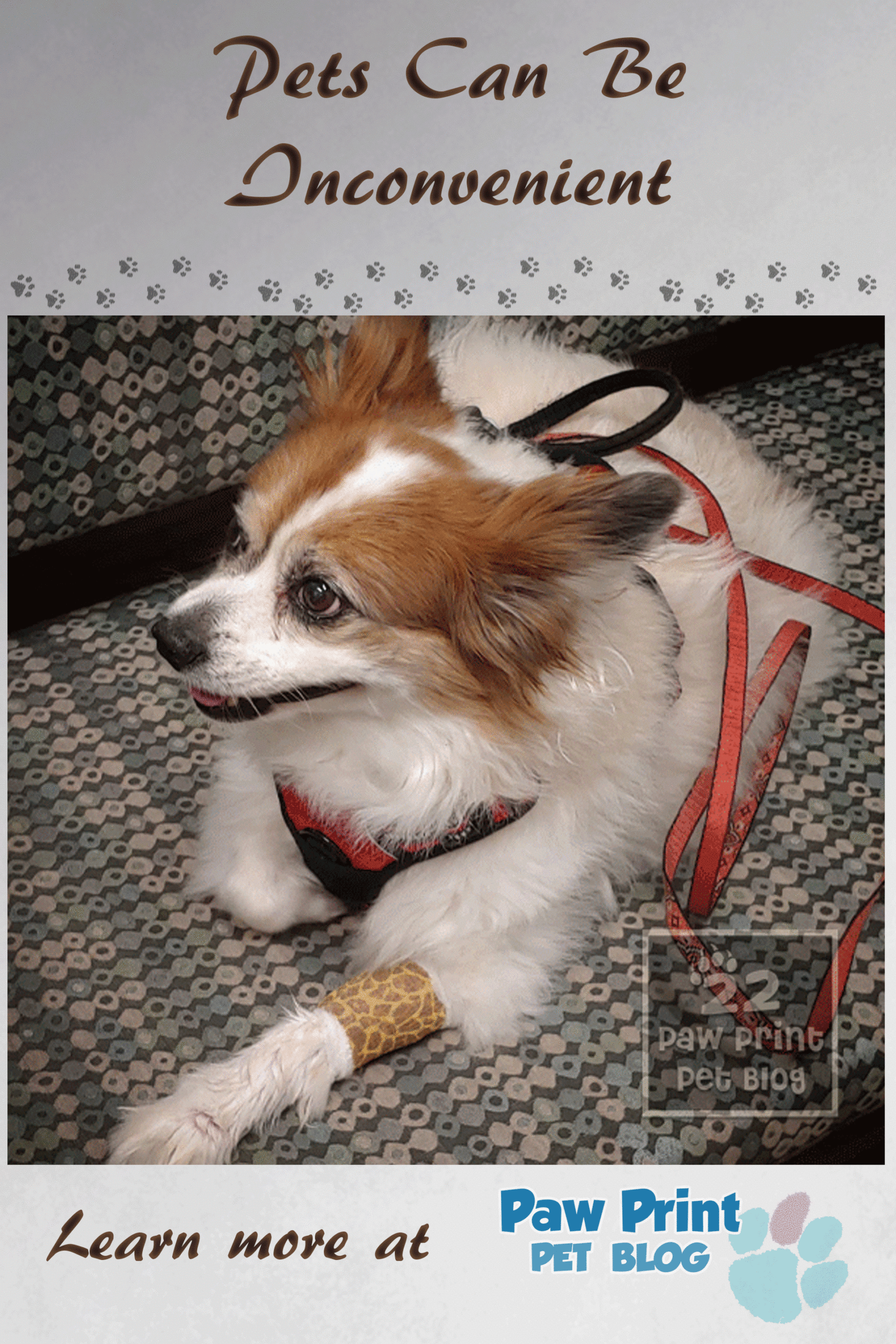
 I’ve always hated how often small dogs are stereotyped. But that’s (mostly) a topic for another post. I will say that I have two small dogs now. They are not ‘yappy’, nor will they bite your ankles. No, they are not perfect – what dog is? I do training sessions with them daily to work on behaviors I want to improve. Papillons are known for being somewhat on the loud/barky side, for example, but I’ve worked hard to help mine develop an off switch for his barking. It’s funny how small dogs who alert bark are “yappy”, by the way, while big dogs who do it are “just protecting their property/family/what have you”. Double standard much?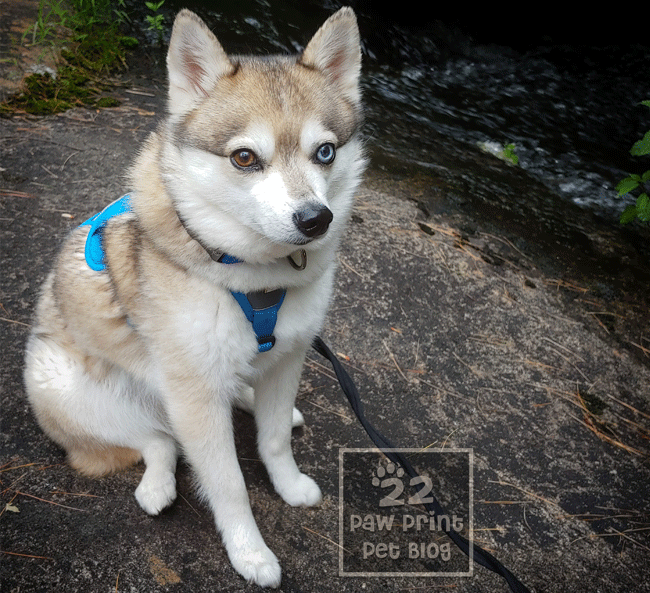

 Week 7! By now, as you can read in our previous IVDD recovery updates, Kit was doing really well! He has officially been off of all his IVDD medications as of October 26th (week 6). During his 6-week recheck, the vet gave us the go-ahead to, very slowly, start introducing exercise. We started with slow, 5-minute walks on flat ground. Kit did really well with that so during week 7 we increased his walks to 10 minutes once a day.
 I was so excited to be on week 8 of Kitsune’s IVDD recovery! The end was finally in sight. This week ended up being a rather stressful one, however. Kit’s frequent drinking/urination were still not fully returning to normal. Then I noticed that, despite being on a pretty strict diet, Kit actually gained a bit of weight.
 For the past three nights, Kit didn’t wake me up a single time to go outside! That’s a big improvement from even just a couple of days ago, when he was getting me up at least once or twice a night. I’ve also noticed that he’s for sure spending less time at the water bowl. I wouldn’t say that he’s 100% back to normal yet, but he for sure seems to be improving!